Industry Intelligence Future Procurement Trends in Sleep Acoustic Technology
Key innovation vectors shaping consumer demand, retail channels, and wholesale product development over the next five years.
4. Technological Shifts & Innovation Trends
As global consumer electronics buyers transition toward smarter, highly integrated wellness environments, sound machines are evolving from standalone noise generators into multi-sensory sleep optimization hubs. Procurement teams that anticipate these trends will capture early-mover market share:
A. AI-Driven Algorithmic Soundscape Generation
Traditional audio playback engines rely on pre-recorded PCM audio files stored on ROM chips. The next generation of sleep technology incorporates real-time audio synthesis microprocessors. These microchip sets dynamically calculate sound waves based on room volume and background interference, creating a continuous acoustic shield that never repeats a single audio pattern over months of operation.
B. Multi-Sensory Sleep Hygiene Integration (Light + Sound + Aroma)
Consumers increasingly seek unified bedside wellness gear. Future sleep machine SKUs integrate therapeutic red-spectrum light therapy (630nm wavelength to stimulate physiological relaxation), soft mist ultrasonic aromatherapy diffusion, and acoustic masking within a single unified enclosure. Sourcing multi-functional hardware allows retailers to increase Average Order Value (AOV) and market premium giftable SKUs.
C. Biometric Sensor Synchronization with Smart Wearables
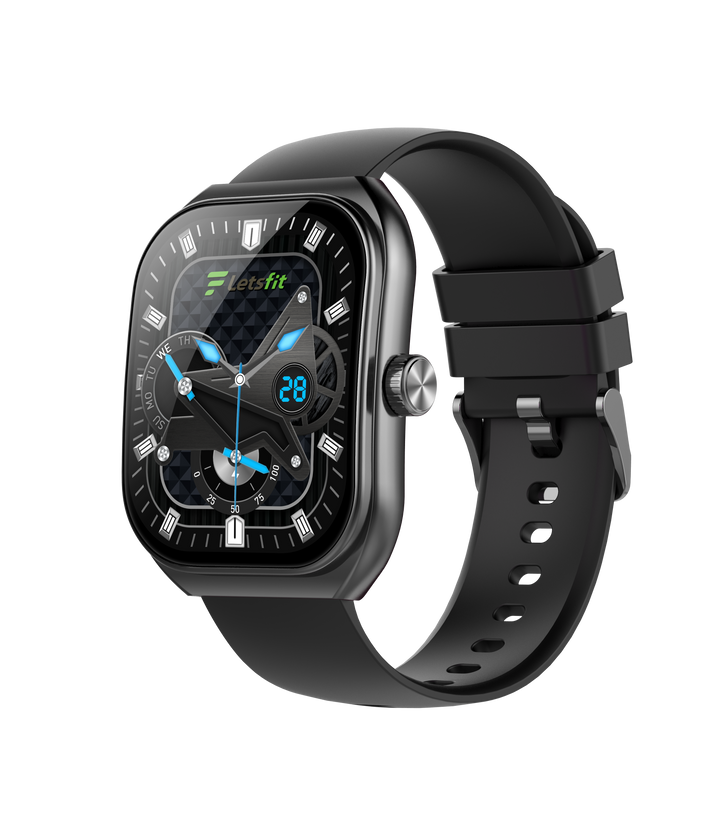
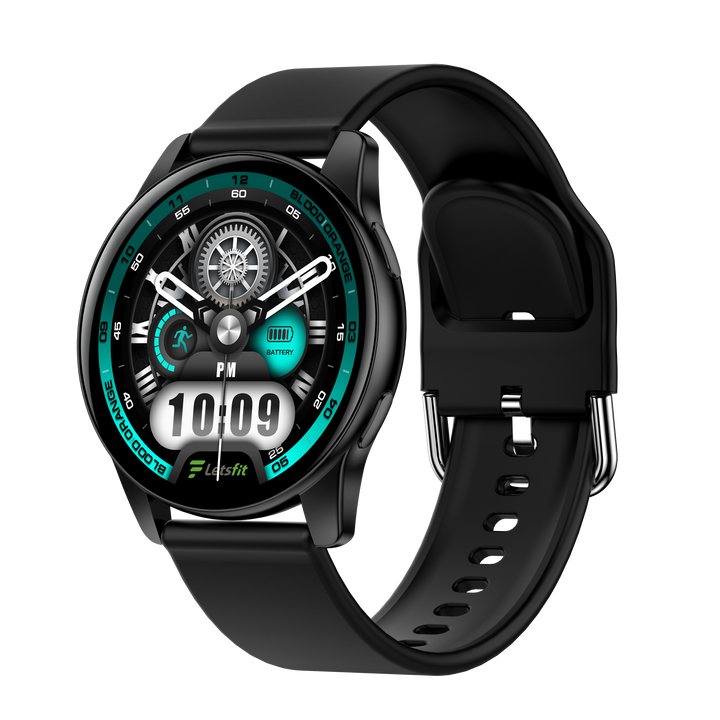
Through connected software frameworks like the Letsfit Life App, advanced sound machines can communicate with smartwatches and fitness trackers. When the smartwatch detects that the user has transitioned from light sleep into deep REM sleep, the sound machine can automatically attenuate its volume levels or shift frequencies from intense masking white noise to calming brown noise, personalizing the sleep environment dynamically.
D. Eco-Friendly Sustainable Hardware Architecture
In accordance with stringent European Union Environmental Regulations (RoHS, WEEE, REACH) and growing ESG corporate compliance mandates, leading manufacturers are shifting toward post-consumer recycled (PCR) ABS plastics, organic linen speaker grille covers, and plastic-free soy-ink retail packaging. Sourcing eco-conscious hardware mitigates regulatory risk and aligns with modern consumer values in major Western retail markets.