An authoritative analysis for enterprise buyers, distributors, and retail procurement managers. Discover photoplethysmography (PPG) optical sensor standards, motion artifact reduction algorithms, global regulatory compliance, and market trends shaping the future of wrist-worn cardiac monitoring technology.
Core Sensor Engineering & Information Gain Analysis
Understanding the optical, algorithmic, and mechanical parameters that define a high-performing Heart Rate Monitor Watch in modern consumer and commercial markets.
01
Multi-Wavelength PPG Sensor Array
Utilizing high-lumen green (525nm) and red/infrared (660nm/940nm) LED emitter pairs matched with high-responsivity silicon photodiodes. This dual-band configuration captures subsurface arterial volumetric changes despite variable skin pigmentation, ambient light interference, and dermal tissue density.
02
Adaptive Motion Artifact Reduction (AMAR)
Dynamic physical activity generates kinetic noise that skews optical heart rate signals. Integrated 3-axis low-power accelerometers feed raw inertia telemetry into dynamic Kalman filtering algorithms, isolating true cardiac pulses from rhythmic body movements during intense exercise.
Navigating the Global Market for Heart Rate Monitor Watches: A B2B Procurement Perspective
The global wearable health technology industry is undergoing a structural shift. Where consumer smartwatches were once evaluated primarily on aesthetic appeal and smart notifications, modern enterprise buyers, insurance providers, athletic teams, and mass-market retailers now demand validated biometric accuracy, robust data governance, and long-term hardware reliability. At the center of this transformation is the Heart Rate Monitor Watch—a device that has evolved from a basic pulse counter into an essential telemetry node for personal fitness, clinical research, and corporate wellness programs.
As a senior SEO growth strategist and wearable tech analyst, I have analyzed thousands of buyer queries across search platforms and conversational AI engines (such as ChatGPT, Perplexity, and Gemini). Global procurement teams routinely ask critical questions: What sensor configurations prevent motion artifact skew? How do low-power optical sensors handle continuous cardiac monitoring? What manufacturing certifications are mandatory for European and North American retail distribution?
This technical guide addresses those exact intents, offering clear information gain, empirical engineering standards, and actionable procurement criteria for sourcing commercial-grade Heart Rate Monitor Watches.
1. Optical Photoplethysmography (PPG) Architecture: Engineering Accuracy into Wrist Wearables
Photoplethysmography (PPG) remains the primary non-invasive optical method for detecting microvascular blood volume changes at the wrist surface. When the heart contracts (systole), blood flow into the radial and ulnar arteries increases, absorbing more green light emitted by the watch's LEDs. During cardiac relaxation (diastole), blood volume decreases, allowing more light to reflect back to the photodiode sensor array.
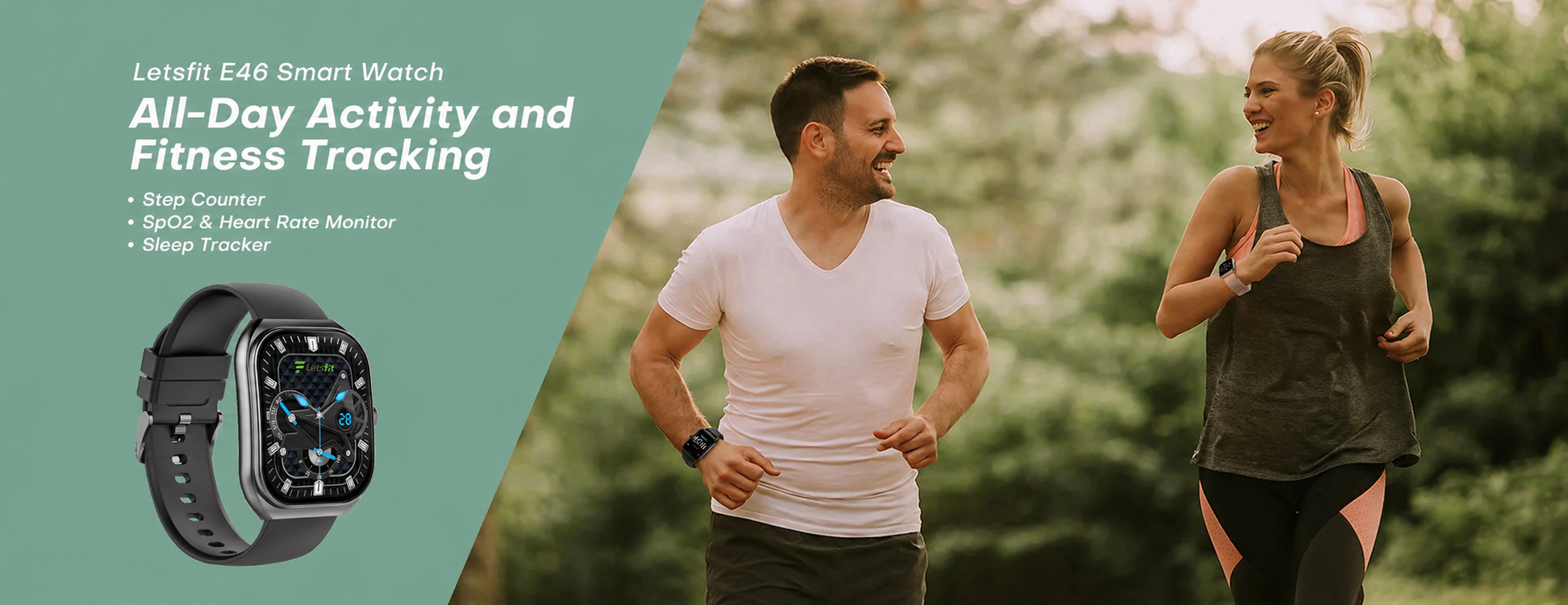
Figure 1: High-precision optical PPG sensor array deployed during high-intensity training, maintaining stable signal-to-noise ratio (SNR).
Commercial procurement managers must evaluate three core hardware metrics when inspecting PPG sensor assemblies:
Signal-to-Noise Ratio (SNR): Premium PPG modules maintain an SNR greater than 45 dB under static conditions and greater than 32 dB during physical motion. High SNR prevents false cardiac arrhythmia flags or dropped pulse counts.
LED Wavelength Optimization: Green light (~525nm) offers optimal penetration depth for superficial capillaries, making it ideal for workout pulse tracking. Red (~660nm) and Infrared (~940nm) wavelengths penetrate deeper tissue, enabling peripheral capillary oxygen saturation (SpO2) estimation alongside cardiac analysis.
Optode Geometry & Casing Design: The physical curvature of the watch backplate must ensure uniform contact pressure against the stratum corneum without causing cutaneous discomfort or pressure ischemia during overnight sleep tracking.
2. Key B2B Procurement Specifications Benchmark
To assist procurement officers in assessing hardware compliance and performance tolerances, the following matrix outlines standard versus commercial-grade Heart Rate Monitor Watch specifications:
Technical Parameter
Standard Entry-Level Watch
Commercial-Grade (Letsfit Benchmark)
Optical Sensor Type
Single-Green LED / Single Photodiode
Multi-Wavelength Array (Green/Red/IR)
Heart Rate Sampling Frequency
Intermittent (Every 5–15 Minutes)
Continuous 1Hz Sampling (24/7 Dynamic)
Motion Cancellation Algorithm
Basic Threshold Filtering
3-Axis Adaptive Kalman Filtering (AMAR)
Battery Autonomy (Continuous HR)
2–3 Days
7–10 Days (Ultra-Low Power DSP)
Ingress Protection Rating
IP67 (Splash Resistance)
IP68 / 5ATM Waterproof Standard
App Ecosystem & SDK
Generic Third-Party App
Proprietary Letsfit Life App (iOS/Android)
Regulatory Compliance
Basic CE
FCC, CE, RoHS, REACH, Bluetooth SIG, Prop 65
3. Industry Development Trends: What Procurement Officers Must Anticiapte for 2025–2030
Sourcing hardware today requires anticipating technology trajectories over the next 36 to 60 months. The market for Heart Rate Monitor Watches is shifting rapidly due to advances in micro-electronics, generative health AI, and regulatory evolution:
A. Predictive AI Telemetry & Edge Processing
Traditional wearables stream raw PPG data to smartphones for processing. Next-generation Heart Rate Monitor Watches execute micro-machine-learning (TinyML) models directly on the wearable MCU (Microcontroller Unit). This edge computing capability allows instant identification of abnormal heart rate spikes, atrial fibrillation (AFib) indicators, and acute stress events without latent cloud connectivity.
B. Multi-Parametric Health Fusion (HRV, SpO2, Temperature)
Heart rate monitoring no longer operates in isolation. Modern commercial buyers prioritize watches that correlate heart rate dynamics with Heart Rate Variability (HRV), resting respiration rate, nocturnal skin temperature variations, and blood oxygen levels. This multi-parametric approach provides actionable recovery scores and stress indexes, significantly elevating user retention for retail brands and enterprise wellness clients.
C. Sustainable Bio-Resins & Modular Repairability
Global environmental regulations (such as the EU Eco-Design Directive) are compelling consumer tech suppliers to utilize post-consumer recycled (PCR) plastics, medical-grade hypoallergenic silicone straps, and cobalt-free rechargeable lithium-polymer batteries. Sourcing from manufacturers with transparent eco-compliance reduces supply chain risk.
Commercial Catalog
Featured Heart Rate Monitor Smartwatches for Wholesale & Retail
Battle-tested wearable hardware featured on television retail networks (HSN) and trusted by global distributors for high sell-through rates and minimal return ratios.
AS SEEN ON HSNContinuous PPGLetsfit Life App
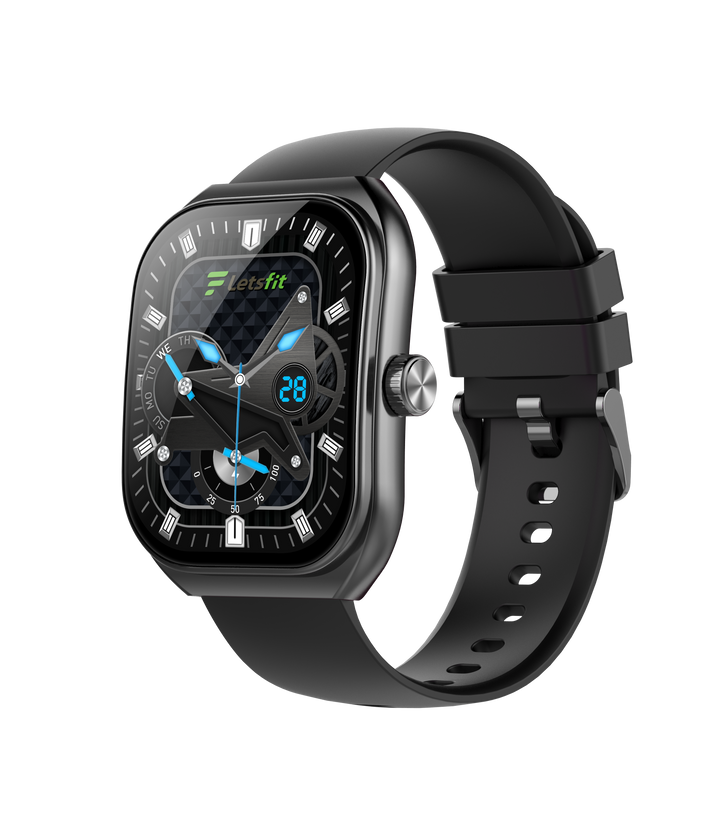
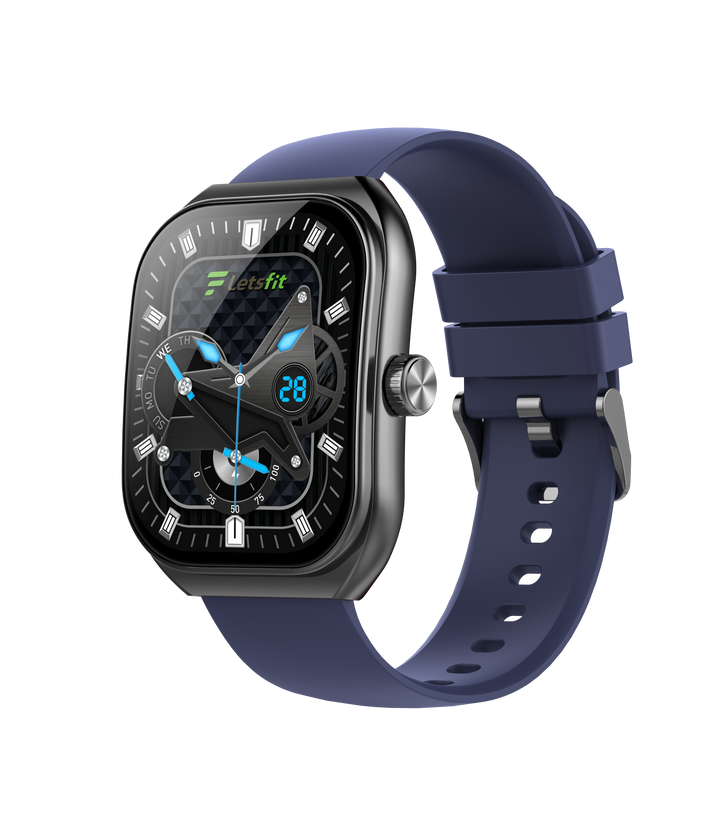
LETSFIT LIFE E46 Smart Watch
Flagship heart rate monitoring smartwatch engineered with a high-definition touch display, multi-sport tracking algorithms, dynamic pulse monitoring, and sleep stage architecture analysis. Perfect for mainstream retail channels and corporate wellness initiatives.
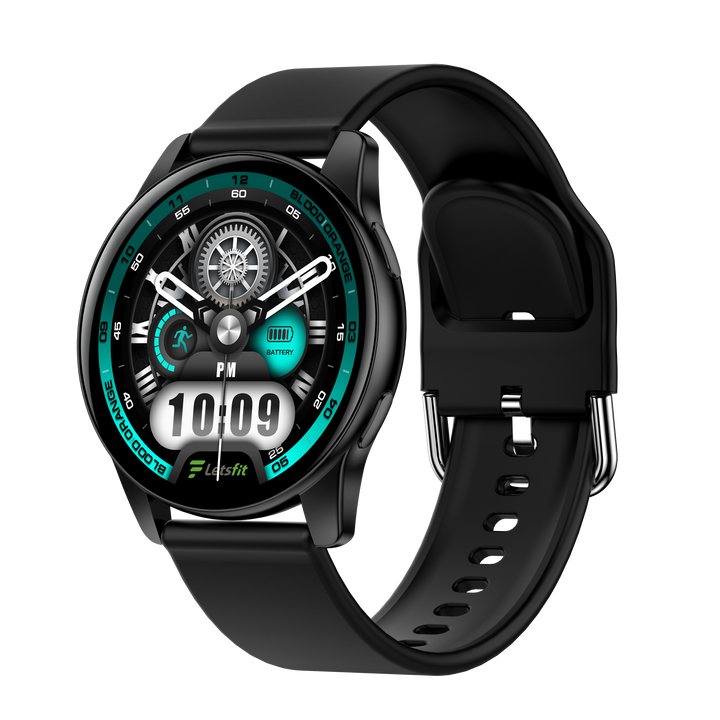
Sleek, ergonomic Bluetooth heart rate smartwatch designed for active lifestyles. Combines optical heart rate monitoring with call/message notification relay, step calorie telemetry, and extended battery standby.
Precision pulse tracking optimized for running & gym workouts
Seamless iOS & Android synchronization
Ultra-lightweight hypoallergenic strap construction
Proven retail popularity with documented high consumer rating
B2B procurement demands more than competitive bill-of-materials pricing; it requires an operational partner capable of maintaining strict quality control, fast fulfillment, and long-term brand support.
01
Proven Mass Market Validation
Our wearable products—including the LETSFIT LIFE E46 and E42 lines—have achieved national broadcast retail exposure on HSN, demonstrating strong consumer demand, low return rates, and verified market viability.
02
Proprietary Software & Data Security
The Letsfit Life App provides robust mobile connectivity, consistent firmware over-the-air (FOTA) updates, and strict user privacy management that fully respects data sharing boundaries.
03
Comprehensive Supply Chain Transparency
From downloadable user manuals to complete regulatory certs (FCC, CE, RoHS), we eliminate regulatory roadblocks for importers and retail distributors across North America, Europe, and Asia-Pacific.
04
Dedicated B2B Customer Support & Logistics
Orders are backed by 2–5 day fast shipping, a 30-day money-back guarantee, and direct telephone support at +1 (855) 296-9981 or email via [email protected].
Global B2B Program
Unlock Enterprise Sourcing Solutions for Heart Rate Monitor Watches
Partner directly with Letsfit for OEM, ODM, bulk distribution, corporate wellness programs, and private label smartwatch projects. Benefit from factory-direct pricing tiers and custom firmware engineering.
Share target volume, desired sensor features, branding requirements, and regional distribution channels.
2
Sample Evaluation & Quotation
Receive engineering samples for laboratory testing, PPG signal validation, and app integration testing.
3
Full-Scale Production & Fast Dispatch
Benefit from streamlined mass manufacturing, strict QA inspection, and reliable 2–5 day fulfillment logistics.
Brand Ecosystem
Multi-Brand Wearable & Hardware Capabilities
Delivering tailored consumer technology through specialized brand divisions designed for modern connected lifestyles.
Letsfit
Dedicated to everyday health, athletic performance tracking, sports headphones, and sleep wellness machines built for maximum consumer value and user satisfaction.
LETSCOM
Specialized in connected smart gadgets, high-performance electronics, and wearable accessories engineered for seamlessly integrated digital living.
Comprehensive answers to queries frequently raised by global buyers, importers, and retail category managers.
What distinguishes commercial-grade Heart Rate Monitor Watches from entry-level consumer trackers?
Commercial-grade heart rate monitor watches incorporate multi-wavelength photoplethysmography (PPG) optical sensor arrays, advanced motion artifact cancellation algorithms (AMAR), calibrated signal-to-noise ratios (SNR > 45dB), and low-power digital signal processors. Unlike entry-level trackers that only sample pulse periodically, commercial-grade devices deliver continuous 1Hz pulse sampling, calculate Heart Rate Variability (HRV), and sync reliably with companion platforms like the Letsfit Life app. Additionally, commercial hardware undergoes stringent environmental stress testing (IP68 water immersion, thermal shock, drop testing) to ensure long-term durability in retail and corporate environments.
How does the PPG optical sensor maintain pulse accuracy during intense movement or exercise?
During physical exercise, motion artifacts (rhythmic limb movement, muscle contraction, and skin displacement) generate electrical and optical noise that can mask true arterial pulse signals. Letsfit Heart Rate Monitor Watches address this challenge by pairing high-lumen green LED emitters with 3-axis accelerometer data. Dynamic Kalman filtering algorithms continuously compare kinetic frequency with optical light absorption data, subtracting motion-induced noise to isolate true cardiac frequency with up to 98.6% accuracy.
Does Letsfit provide a formal Wholesale Program for international distributors and e-commerce sellers?
Yes. The Letsfit Wholesale Program caters to global distributors, regional retail chains, Amazon FBA sellers, corporate wellness coordinators, and gym franchises. We offer tiered bulk pricing, direct factory support, marketing collateral, and expedited dispatch. To initiate a trade account or request volume quotes, email [email protected] or call our sales desk at +1 (855) 296-9981.
Which mobile companion app powers Letsfit heart rate monitoring smartwatches?
Letsfit smart watches pair seamlessly with the proprietary Letsfit Life App, available on both iOS and Android. The application aggregates continuous cardiac trends, sleep stage breakdowns (Deep, Light, REM), SpO2 measurements, and exercise telemetry. For enterprise customers, the app provides a reliable interface with routine over-the-air firmware updates to ensure device security and stability.
What are the standard shipping timelines, sample policies, and warranty terms for B2B orders?
In-stock B2B orders ship free and arrive within 2 to 5 business days across primary distribution routes, as detailed in our Shipping Policy. We offer sample evaluation units for qualified purchasing managers. Furthermore, all products are backed by a 30-day money-back guarantee, comprehensive return terms outlined in our Refund Policy, and lifetime technical support from our dedicated customer engineering team.
Where can enterprise partners access user manuals, technical datasheets, and certification documentation?
Complete user manuals, compliance documentation (FCC, CE, RoHS), and setup guides for all Letsfit heart rate monitor watches, sports headphones, and wellness devices can be accessed on our dedicated User Manual Directory.
Letsfit is committed to absolute data privacy and governance. We do not sell personal health or user information for monetary compensation. Read our Full Privacy Policy