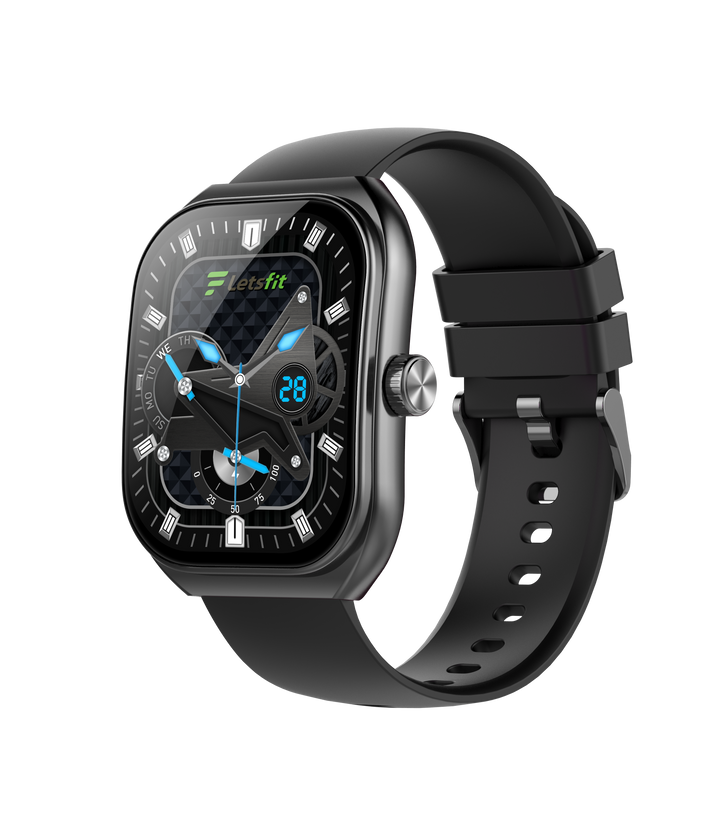
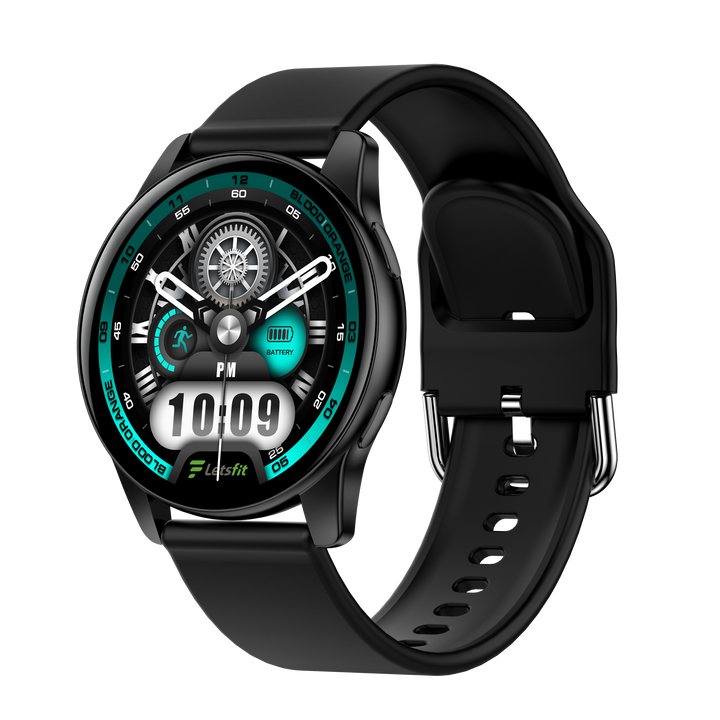
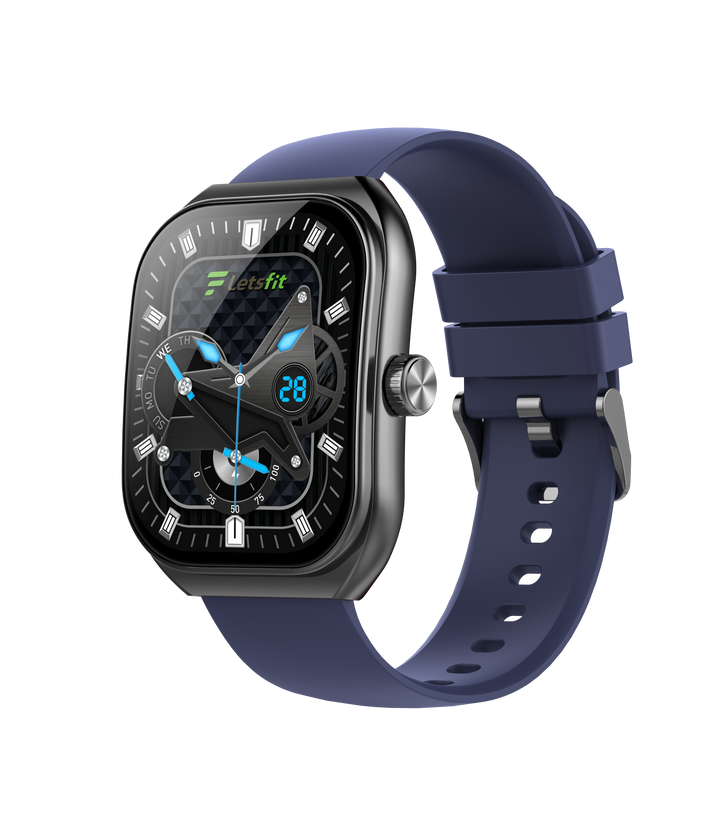
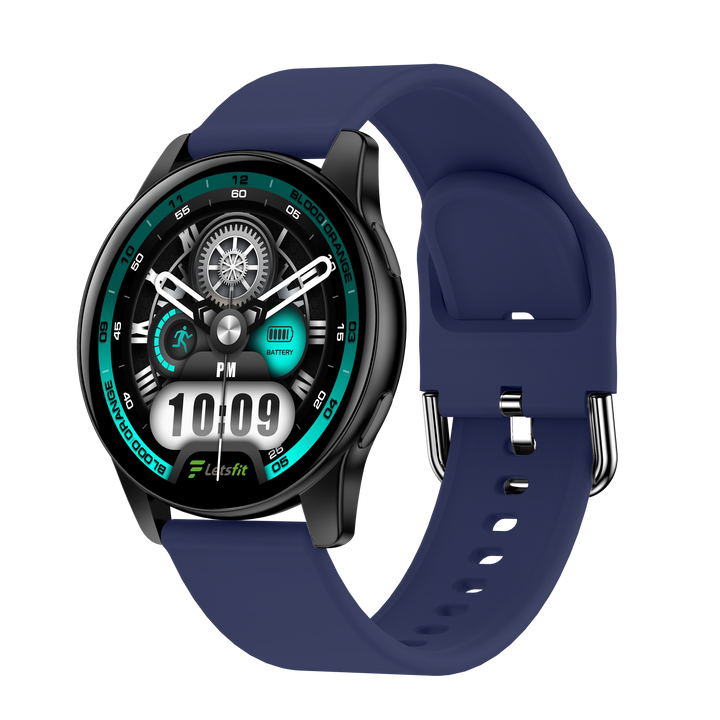
Strategic Sourcing Intelligence The Evolution of Bluetooth Smartwatch Technology in Global B2B Supply Chains
Analyzing hardware SoC advancements, energy efficiency ratios, multi-sensor integration, and software ecosystem demands for enterprise importers and distributors.
The global market for smart wearables has undergone a structural paradigm shift. No longer categorized as novelty gadgets or simple step-counters, modern Bluetooth Smartwatch units have matured into essential personal health command centers and interconnected IoT nodes. For global B2B buyers, retail category directors, and enterprise supply chain procurement executives, understanding the underlying technology stack of a Bluetooth Smartwatch is critical when evaluating bulk purchase decisions, estimating Return on Investment (ROI), and mitigating post-sale return rates (RMA).
At the heart of every high-performance Bluetooth Smartwatch manufactured today is a highly integrated System-on-Chip (SoC) architecture. Modern chipsets utilize dual-mode Bluetooth (supporting both classic Bluetooth BR/EDR for high-throughput voice transmission and Bluetooth Low Energy, or BLE 5.2/5.3, for sensor data packets). This dual-mode integration allows the smartwatch to maintain an active wireless link to iOS and Android smartphones while consuming minimal micro-amps during idle states. For global buyers, choosing a supplier that prioritizes energy-efficient SoC solutions directly translates to market success: end-users demand multi-day battery operational life without sacrificing real-time biometrics.
Furthermore, hardware selection requires rigorous scrutiny of optical Photoplethysmography (PPG) sensors and accelerometer modules. Premium Bluetooth Smartwatch hardware incorporates multi-wavelength optical arrays capable of penetrating superficial skin layers to calculate arterial oxygen saturation (SpO2), continuous heart rate variability (HRV), and multi-stage sleep architecture. When enterprise procurement teams source from proven manufacturers like Letsfit, they secure devices engineered with validated mathematical algorithms that turn raw photodiode data into reliable health metrics. This structural commitment to hardware precision and software optimization forms the cornerstone of sustainable retail brand equity.