+1 (855) 296-9981 Wholesale Program
Industrial-grade in-car chargers, custom console pads, and integrated PCBA modules built for importer distribution and automotive aftermarket channels across Nigeria.
Analyzing the Sub-Saharan mobility ecosystem, vehicular power infrastructure, thermal management challenges, and enterprise procurement requirements for West African distributors.
The West African automotive electronics market is undergoing a structural transition. In major urban centers such as Lagos, Abuja, Port Harcourt, and Kano, commuting times routinely exceed national averages due to high-density traffic congestion. Simultaneously, the smartphone has evolved into the central node for business navigation, ride-hailing dispatch (via Uber, Bolt, and InDrive), mobile banking, and real-time logistics tracking. Consequently, uninterrupted in-vehicle charging infrastructure has shifted from an optional comfort accessory to an essential productivity prerequisite for individual drivers, commercial fleets, and executive transport services across Nigeria.
However, exporting automotive electronics to Nigeria presents unique technical hurdles that off-the-shelf consumer chargers frequently fail to solve. Ambient temperatures inside stationary or slow-moving vehicles in sub-Saharan climates often surpass 45°C (113°F). Furthermore, vehicle electrical architectures in older or imported pre-owned vehicles (which comprise over 80% of the Nigerian automobile registry) experience severe voltage spikes, alternator ripple currents, and dirty DC power curves. Standard wireless chargers succumb to thermal throttling, coil misalignments, or permanent circuit destruction under these operational stresses. As an established tier-1 Car Wireless Charger Supplier & Exporters serving Nigeria, our engineering architecture is explicitly tailored to mitigate these extreme physical and electrical environmental stresses.
Information Gain Metric: Standard wireless chargers lose up to 45% efficiency when ambient internal car temperatures reach 38°C due to aggressive power throttling. Our engineered multi-coil solutions incorporate NTC temperature sensors and dynamic power control to sustain continuous 15W delivery under extreme heat without damaging device battery chemistry.
Designing wireless power transmitters capable of delivering consistent 15W to 20W energy transmission inside a vehicle cabin operating in West Africa requires a multi-layered engineering framework. Below are the key engineering breakthroughs embedded within our automotive product lineup:
Automotive power lines in pre-owned vehicles frequently fluctuate due to aging batteries and uncalibrated alternators. Our integrated PCBA modules feature heavy-duty step-down buck regulators and surge suppression diodes capable of swallowing transient voltage spikes up to 40V, safeguarding both charger circuitry and connected smartphones.
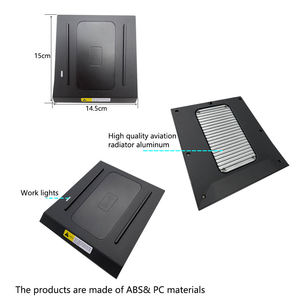
Heat is the primary adversary of wireless energy transfer. Incorporating silent high-rpm centrifugal cooling fans, aluminum heat-sink backing plates, and V0 flame-retardant PC/ABS polymers ensures thermal energy is dissipated rapidly. This prevents the charger from entering thermal shutdown during mid-day Lagos transit.
Metallic objects such as coins, keys, or foil wrappers placed inadvertently on charging pads can cause dangerous localized induction heating. Our advanced microcontrollers execute high-frequency capacitive scanning to instantly disable current flow upon detecting non-Qi parasitic metal interference.
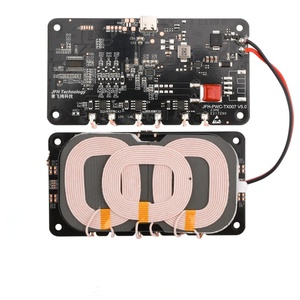
Road vibration and pothole movement across unpaved or under-construction thoroughfares often displace smartphones from single-coil charging sweet spots. Utilizing 3-coil overlapping arrays guarantees uninterrupted inductive coupling regardless of minor device shifts while driving.
To assist Nigerian B2B procurement managers, fleet operators, and aftermarket electronics importers in evaluating technical specifications, the table below contrasts generic retail chargers against our factory-tested automotive-grade wireless chargers.
| Performance Feature | Generic Off-The-Shelf Chargers | Our Automotive Export Grade Chargers | Nigerian Market Benefit |
|---|---|---|---|
| Input Voltage Tolerance | DC 5V / 9V Fixed Input | DC 9V – 32V Wide Range buck-boost | Resistant to voltage spikes in older alternators |
| Over-Temperature Cutoff | Triggers at 55°C (Complete Shutdown) | Smart Dynamic Throttling (Sustains trickle flow) | Prevents complete charging cutoff during Lagos heat |
| Coil Configuration | Single Small-Diameter Coil | 3-Coil Overlapping Array / MagSafe Magnetic | Maintains charge lock over bumpy road conditions |
| Chassis Material | Standard Recycled ABS Plastic | V0 Fireproof PC/ABS + Aircraft Aluminum Sink | Maximum safety compliance & premium tactile feel |
| Certification & Compliance | Uncertified / Basic CE | CE, FCC, RoHS, Qi Protocol, SONCAP Ready | Seamless Nigerian Customs & Standards Clearance |
Understanding regional usage context enables distributors to market the right wireless charging solutions to target consumer segments. Here are the three main operational profiles dominating the Nigerian market today:
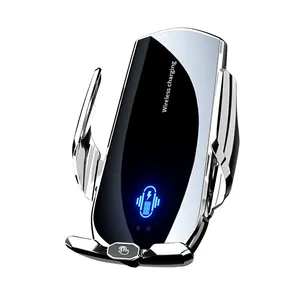
Drivers operating on e-hailing platforms utilize screen-on GPS navigation, cellular data connectivity, and Bluetooth pairing simultaneously. This heavy processing load drains smartphone batteries at rates up to 20% per hour while generating internal device heat. Our smart-sensing auto-clamping mounts (such as the A2 15W Auto-Clamping Charger) allow single-handed mounting, ensuring drivers keep their eyes on the road while receiving steady 15W fast-charging backed by integrated air cooling.
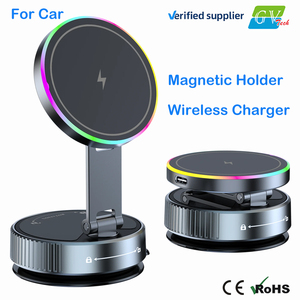
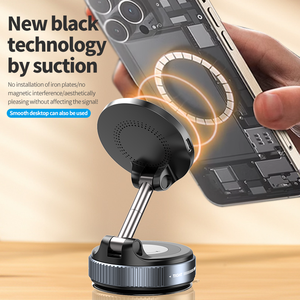
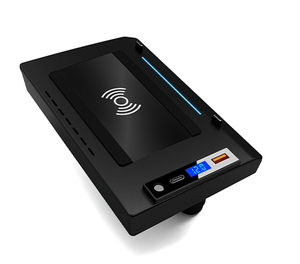
In Nigeria's capital city, Abuja, luxury SUVs—most notably the Toyota Prado (2018–2021 models), Toyota Land Cruiser, Lexus RX/GX series, and Mercedes-Benz G-Class—form the backbone of corporate and governmental fleets. Standard suction cup mounts clutter the aesthetic of premium vehicle dashboards. Our vehicle-specific console charging pads (e.g., Dedicated Wireless Charger for Toyota Prado) drop directly into the OEM center console utility tray. Plug-and-play wiring connects directly to the internal cigarette lighter circuit without cutting factory wire harnesses, preserving vehicle warranties while delivering an factory-installed look.
Electronics importers situated in Computer Village (Ikeja) and Alaba International Market demand fast-moving consumer goods with low RMA (Return Merchandise Authorization) rates. High return rates destroy profit margins due to international shipping overheads. By offering products with under 0.01% defect rates, customized retail packaging, and customized logo etching, we empower Nigerian importers to build proprietary brands with high profit margins and customer satisfaction.
To maintain a competitive edge, importers must align their inventory with emerging consumer preferences across West Africa:
Direct-from-factory engineering expertise, rigorous quality control, and comprehensive logistics support for West African trade routes.
We provide full-spectrum customization including custom PCBA circuit board layout design, tooling mold development for specific vehicle consoles, silk-screen brand logo placement, customized LED color tuning, and retail package printing.
We understand the regulatory framework enforced by the Standards Organisation of Nigeria (SON). Our export units are built using CE, FCC, and RoHS certified components, simplifying the issuance of Product Certificates (PC) and SONCAP Certificates (SC) for hassle-free port clearance at Apapa and Tincan Island ports.
Every production batch undergoes a 4-hour continuous full-load aging test, drop testing, vibration simulation (simulating unpaved road conditions), and high-voltage surge endurance before packing. We guarantee zero DOA (Dead On Arrival) shipments.
We work directly with leading air and sea freight forwarders specializing in West Africa routes. Whether you require fast air courier delivery to Lagos (MMIA airport) or consolidated full container loads (FCL/LCL) to Apapa Port, we manage documentation for swift transit.
Direct answers addressing technical specifications, order minimums, customs compliance, and warranty coverage for Nigerian business partners.
For standard factory-ready inventory, our MOQ starts as low as 50 units. For custom OEM orders involving custom logo printing, color customization, or specialized packaging boxes, our typical MOQ is 500 to 1,000 units depending on product specifications.
Our wireless chargers incorporate intelligent NTC thermistors and active thermal management (aluminum heatsinks and internal cooling fans in select models). When internal temperatures rise, the charger dynamically adjusts switching frequency rather than shutting down completely, protecting the phone battery while continuing to supply stable energy.
Yes. All products are manufactured using certified CE, FCC, and RoHS compliant materials. We provide full technical documentation, circuit schematics, and test reports required by accredited inspection agencies (such as SGS, Cotecna, or Intertek) to issue Product Certificates (PC) for Nigerian importation.
Absolutely. Products like our 3 Coil 20W Qi Module (DC 9-32V) are designed specifically for automotive factories, custom upholstery workshops, and local electronics manufacturers looking to integrate wireless charging directly into car seats, armrests, or custom dashboard assemblies.
Air express shipping (via DHL/FedEx or specialized cargo lines to Lagos MMIA) takes approximately 5–8 business days. Sea freight shipping to Lagos Apapa or Tincan Island ports takes roughly 30–40 days. We assist with all commercial invoices, packing lists, and export declarations.
We back our automotive wireless chargers with a standard 12-month to 24-month factory warranty. In the rare event of a defective unit, we offer immediate replacement components or credit adjustments on subsequent production batches to ensure your distribution business operates seamlessly.
Partner with an established OEM/ODM exporter delivering high-yield, heat-resilient car wireless chargers. Request product specification sheets, wholesale pricing matrices, and sample units today.
Get Catalog