
Executive Summary: The Evolution of China’s Baby Sleep Aid Manufacturing Sector
The global market for infant care products has undergone a profound structural transformation over the past decade. No longer satisfied with static plush toys or simple mechanical lullaby boxes, modern parents demand scientifically validated, multi-sensory sleep interventions. China has emerged as the global epicenter for manufacturing smart, biomimetic, and acoustic infant sleep aids. Combining sophisticated micro-electronics industrial clusters in Shenzhen and Dongguan with advanced textile and ergonomic molding hubs in Zhejiang and Jiangsu, Chinese manufacturers offer unparalleled supply chain integration, cost optimization, and R&D agility.
For international enterprise buyers, brand owners, and retail procurement executives, sourcing infant sleep aids from China requires a nuanced understanding of hardware architecture, pediatric safety regulations, and sound engineering principles. This comprehensive guide outlines the technological advancements, regulatory frameworks, quality assurance protocols, and future trends shaping the OEM/ODM baby sleep aid manufacturing landscape.
Neurodevelopmental Science & Engineering Architecture of Infant Sleep Aids
Infants experience sleep architecture radically different from adults. During the first six months postpartum, newborns spend nearly 50% of their sleep time in REM (active) sleep, leaving them vulnerable to frequent awakenings caused by environmental noise, Moro (startle) reflexes, and gastrointestinal discomfort. Chinese manufacturers work closely with pediatric acousticians and ergonomic engineers to build sleep aids designed around three core sensory channels:
1. Acoustic Sound Conditioning
Utilizing digital signal processors (DSP) to generate masking frequencies. Pink noise (1/f power spectral density) and brown noise mask high-frequency household disturbances while mimicking the low-frequency acoustic environment of the womb (approx. 85-90 dB in utero).
2. Biomimetic Tactile Rhythms
Automated patting pads and pram rockers recreate maternal touch. Operating at a calibrated frequency of 40 to 60 beats per minute, these devices replicate the resting maternal heartbeat and steady rocking, triggering parasympathetic relaxation.
3. Photobiological Lighting
Infants do not develop circadian melatonin secretion until 9-12 weeks after birth. High-end sleep aid hardware incorporates narrow-spectrum red lights (620-630nm wavelength) that facilitate nocturnal caregiving without suppressing endogenous melatonin production.
Product Category Taxonomy: Hardware vs. Textile Sleep Aids
When structuring a wholesale portfolio, buyers must evaluate the operational distinctions between electronic hardware sleep aids and padded textile soothing aids. Below is a comparative engineering breakdown of the products manufactured across China's leading OEM/ODM facilities:
| Category | Core Mechanism | Key Technical Specs | Primary Regulatory Focus | Target Use Case |
|---|---|---|---|---|
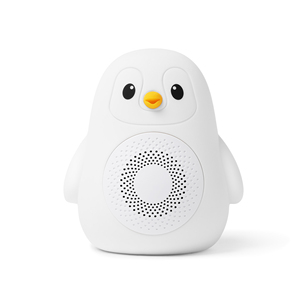
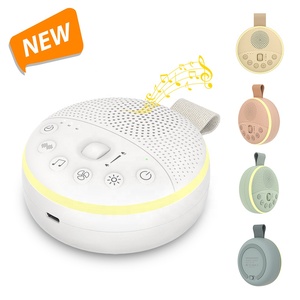
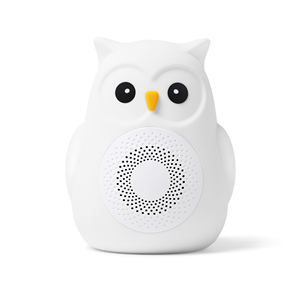
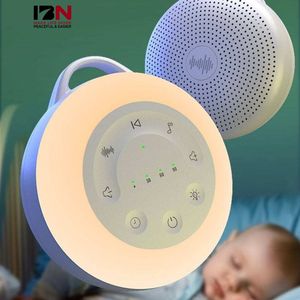
| Portable White Noise Machines | Acoustic frequency masking & photobiological night lighting. | 1500mAh Lithium-ion battery, 21–30 non-looping audio tracks, USB-C fast charge. | FCC, CE, RoHS, UN38.3, AAP 65dB Sound Limit. | Crib mounting, travel, nursery room noise dampening. |
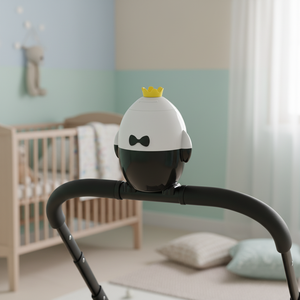
| Automatic Pram Rockers | Variable-speed brushless DC motor drive with offset momentum. | Quiet motor (<38dB), 5 speed settings, universal stroller bracket, micro-controller timer. | EMC Directives, Mechanical Pinch Hazards (EN 71-1). | Stroller soothing, outdoor mobility, automated infant calming. |
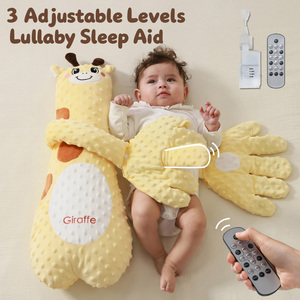
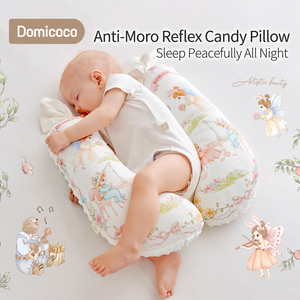
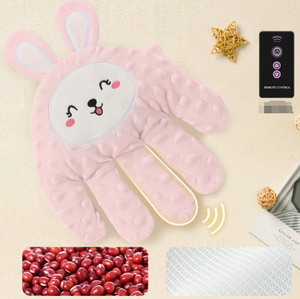
| Tactile Patting & Butt Pillows | Biomimetic mechanical tapping mechanism embedded in plush filling. | Adjustable rhythmic tapping (40-60 BPM), high-density PP cotton, removable washable cover. | ASTM F963, OEKO-TEX Standard 100, Flame Retardancy. | Anti-startle, colic reduction, side-sleeping support. |
| Ergonomic C-Shaped Pillows | Passive physical alignment and micro-pressure weight distribution. | Slow-rebound memory foam / 3D mesh structure, anti-suffocation breathing channels. | REACH SVHC, Cal 117 Textile Safety, Hypoallergenic Cert. | Spinal support, gastroesophageal reflux reduction. |
Technological Trends Shaping China’s Manufacturing Pipeline (2025–2030)
As retail buyers seek product differentiation in competitive Western and East Asian markets, Chinese tier-1 original design manufacturers (ODMs) are deploying next-generation capabilities into mass production lines:
1. AI-Powered Cry Detection and Automated Response
Legacy white noise machines require manual activation by exhausted parents. Emerging 2025/2026 hardware models integrate low-power edge-AI microcontrollers capable of analyzing acoustic waveforms. The device distinguishes between normal infant movement sounds and genuine distress cries within 800 milliseconds, automatically triggering a gentle ramp-up of soothing pink noise and soft illumination.
2. Non-Looping Pure Natural Audio Synthesis
Standard low-cost sleep machines use short 30-second audio samples played on an infinite loop. The human brain, even in infancy, rapidly recognizes repeating rhythmic artifacts, causing sub-conscious neurological arousal. Advanced Chinese acoustic manufacturers utilize high-capacity flash memory combined with algorithmic audio synthesis to deliver true non-looping, continuous natural sounds (rain, stream, fan, uterine pulse) recorded with high-fidelity binaural microphones.
3. Smart Ecosystem Integration & App Interoperability
Building on proven IoT ecosystems—such as the technology framework seen in connected consumer brands like Letsfit and LETSCOM—next-generation baby sleep trainers connect via low-energy Bluetooth (BLE) or Wi-Fi to mobile applications. Parents can remotely customize sound profiles, schedule sleep-to-wake light trainers, monitor room ambient temperature, and review sleep telemetry data without entering the nursery.
4. Sustainable Bio-Plastics & Zero-VOC Textiles
Environmental governance (ESG) compliance has moved from an optional branding feature to a strict supply chain mandate. Chinese factories are replacing conventional ABS plastics with recycled PCR (Post-Consumer Recycled) resins and PLA (Polylactic Acid) bio-plastics. Textile sleep aids are increasingly utilizing GOTS-certified organic cotton, bamboo rayon, and zero-VOC (Volatile Organic Compounds) flame-retardant barriers to meet strict EU chemical directives.
Enterprise OEM/ODM Manufacturing & Quality Engineering Capabilities
Sourcing from premier Chinese suppliers offers global brand owners a decisive competitive advantage. Anchored by rigorous production protocols, high-precision tooling, and vertical supply chain integration, our manufacturing partners deliver institutional-grade quality.
Acoustic Anechoic Chamber Testing
Every audio sleep aid undergoes stringent decibel validation inside full-anechoic testing chambers. In accordance with American Academy of Pediatrics (AAP) guidelines, devices are calibrated to ensure sound output cannot exceed 65 dBA at a distance of 30 cm, protecting delicate infant tympanic membranes from acoustic trauma.
Automated Battery Safety & BMS Testing
Integrated rechargeable sleep aids utilize grade-A lithium-ion polymer cells coupled with custom Battery Management Systems (BMS). Automated test benches subject 100% of production units to over-charge, over-discharge, short-circuit, and thermal runaway prevention testing prior to final enclosure assembly.
Drop, Impact & Anti-Suffocation QA
Pram rockers and portable machines are drop-tested from 1.5 meters onto hard concrete surfaces across 6 angles to ensure no small components detach (choking hazard compliance under ASTM F963). Plush pillows undergo 3D air-permeability testing to guarantee breathability even if pressed flush against an infant's face.
End-to-End Retail & Wholesale Support
Backing our manufacturing lines is a full-service B2B support infrastructure. From custom packaging engineering and localized instruction manual localization to dedicated account managers and fast sea/air freight fulfillment, we empower international brand success.
Navigating Global Regulatory & Compliance Standards for Baby Sleep Aids
Importing nursery products into regulated markets requires strict adherence to international safety standards. Failure to comply can result in severe customs detentions, product recalls, and brand damage. Enterprise buyers must verify that their manufacturing partner maintains valid test reports from accredited third-party laboratories (e.g., SGS, TÜV Rheinland, Intertek):
- North America (US & Canada): Compliance with CPSIA (Consumer Product Safety Improvement Act), ASTM F963-17 for mechanical safety and heavy metal limits, FCC Part 15 Subpart B for electromagnetic interference, and California Proposition 65 for phthalate content.
- European Union (EU): Adherence to EN 71-1, 71-2, 71-3 (Toy Safety), CE Marking, RoHS 2.0 (Directive 2011/65/EU) restricting hazardous substances, REACH chemical registration, and EN 62115 for electric toy safety.
- Global Battery Regulations: Rechargeable units must possess UN38.3 transport certification, MSDS (Material Safety Data Sheet) reports, and IEC 62133 safety testing for portable sealed lithium cells.
Streamline Your Infant Care Product Sourcing
Partner with China’s premier OEM/ODM baby sleep aid manufacturer. Access factory-direct pricing, custom tooling, rapid prototyping, and full regulatory certification support.
Frequently Asked Questions (FAQ) for B2B Procurement Buyers
Find clear answers to common technical, production, and commercial questions regarding baby sleep aid wholesale procurement.
What is the typical minimum order quantity (MOQ) for OEM/ODM baby sleep aid orders? +
How do Chinese factories ensure white noise machines comply with infant hearing safety limits? +
Can we program proprietary sound tracks and custom lullabies into the sound devices? +
What anti-suffocation and textile safety measures apply to baby soothing pillows? +
What is the standard production lead time for sample development and mass manufacturing? +
Mass Production Lead Time: Initial mass production runs typically take 30–35 days following sample approval and deposit confirmation. Repeat re-orders can be expedited within 20–25 days.