

+1 (855) 296-9981 Wholesale Program
Explore our premium grade eco-friendly TPE mats, smart wellness tracking devices, and high-tensile resistance gear engineered for global fitness brands and retail distributors.
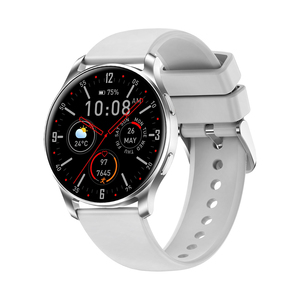
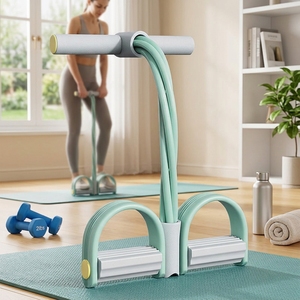

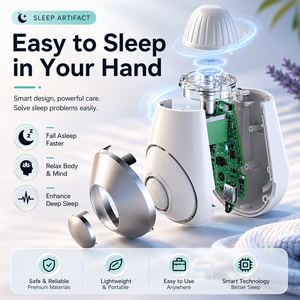
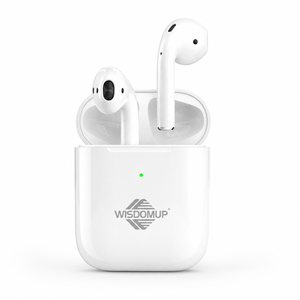

The global yoga equipment and boutique wellness industry has undergone a radical shift toward material safety, environmental sustainability, and integrated digital tracking. As fitness studios, e-commerce brand owners, and tier-1 retail distributors adjust to evolving consumer demands, Thermoplastic Elastomer (TPE) yoga mats have rapidly displaced traditional Polyvinyl Chloride (PVC) and Nitrile Butadiene Rubber (NBR) options. Manufactured primarily in advanced industrial clusters across China, modern TPE mats represent a sophisticated synthesis of polymer engineering, ergonomic cushioning, non-toxic foaming technology, and customizable aesthetic finishes.
This technical whitepaper provides B2B buyers, procurement managers, and brand strategists with an authoritative analysis of China's leading TPE yoga mat manufacturing landscape. It delves into material properties, micro-structure foaming processes, quality control protocol standards, eco-compliance metrics, future procurement vectors, and total-cost-of-ownership (TCO) optimization strategies.
Thermoplastic Elastomers (TPE) are a hybrid class of materials that combine the mechanical elasticity of natural rubber with the thermal processing versatility of modern plastics. Unlike thermoset vulcanized rubbers, TPE can be repeatedly melted and reformed without chemical degradation, rendering it 100% recyclable and aligned with global circular economy goals.
In high-tier Chinese OEM/ODM factories, TPE mat formulations rely on modified Styrene-Ethylene-Butylene-Styrene (SEBS) block copolymers blended with Polypropylene (PP) and medical-grade white mineral oil plasticizers. This non-phthalate compound eliminates toxic volatile organic compound (VOC) off-gassing, heavy metal risks, and allergic latex responses. Below is an engineering comparison detailing why premier B2B brands specify TPE over alternative polymers:
| Polymer Material Type | Density & Cushioning Ratio | Wet/Dry Grip Coefficient | Environmental & Toxicity Profile | Tear & Tensile Resistance | Commercial Viability & Position |
|---|---|---|---|---|---|
| TPE (Thermoplastic Elastomer) | High Cushioning / 0.15 g/cm³ | 0.85 Dry / 0.72 Wet (Laser Texture) | 100% Recyclable, Zero Phthalates, REACH/RoHS OK | Superior (Elongation > 350%) | Top OEM Choice / High Margin |
| PVC (Polyvinyl Chloride) | Medium / 0.30 g/cm³ | 0.60 Dry / 0.35 Wet | Contains Phthalates, Toxic Dioxin Emission | Moderate (Prone to flaking) | Low-cost mass market (Declining) |
| NBR (Nitrile Rubber) | Ultra-Soft / Low Support | 0.50 Dry / 0.40 Wet | Non-recyclable, Potential chemical odor | Low (Deforms under stress) | Budget home exercise (Thick mats) |
| Natural Rubber + PU | Heavy / 0.90 g/cm³ | 0.95 Dry / 0.90 Wet | Biodegradable, High resource footprint | Very High (Heavy weight limit) | Ultra-Luxury / High shipping cost |
From an operational perspective, TPE delivers an optimal strength-to-weight ratio. A standard 1830mm × 610mm × 6mm double-layer TPE mat weighs approximately 850 grams to 1000 grams, compared to over 2.8 kilograms for natural rubber. This weight reduction directly translates into a 60% reduction in international ocean/air logistics freight costs per unit, dramatically expanding gross margins for cross-border e-commerce sellers and retail chains alike.
Inside China's premier TPE extrusion and molding facilities: Advanced dual-layer co-extrusion technology, anti-tear anti-stretch inner mesh matrix, and precision laser alignment engraving.
State-of-the-art multi-head continuous thermal lamination bonds two distinct TPE color layers without toxic glues or chemical adhesives, preventing delamination over extended commercial use.
Embedded heavy-duty polyester anti-stretch scrim between TPE layers enhances structural integrity, providing dimensional stability during rigorous power yoga and high-impact strength training.
Microscopic closed-cell foam architecture blocks moisture, sweat, and microbes from penetrating the interior foam structure, ensuring effortless cleaning, hygienic longevity, and rapid drying.
Custom 3D optical laser systems carve permanent ergonomic posture alignment guidelines, brand emblems, and high-traction organic surface textures directly into the mat surface.
Supercritical gas injection physical foaming guarantees uniform density distribution, achieving dynamic resilience (under 0.05-second rebound response) for joint protection during balance poses.
Complete B2B customization: Pantone color matching, branded paper sleeves, organic cotton carrying straps, custom retail display boxes, and Amazon FBA preparation service.
To retain market leadership, global sourcing directors must anticipate shifts in consumer preferences, trade regulatory frameworks, and wellness tech integrations. Leading Chinese factories are no longer mere contract assemblers; they have transformed into innovation hubs offering high-information-gain product enhancements. Key macro trends shaping upcoming purchasing cycles include:
With stringent European Union microplastic regulations and expanding corporate Scope 3 emission targets, top-tier Chinese manufacturers are integrating 15% to 30% bio-based carbon content into standard TPE blends. Derived from renewable sugarcane waste or plant starches, these next-generation bio-TPE mats lower reliance on fossil-fuel feedstocks while retaining 100% of the mechanical tear strength and flexibility of conventional polymers. Procurement teams prioritizing ESG compliance can leverage third-party carbon footprint certifications to command premium price points in Western retail markets.
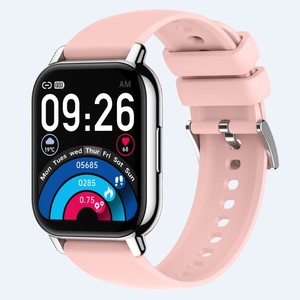
The modern consumer standard demands a holistic wellness approach. Premium fitness brands are pairing physical exercise gear—such as high-tensile pedal resistance bands and tactile TPE mats—with smart wearable technology (e.g., PPG heart-rate/spO2 wristbands, sleep monitoring watches, and sound sleep aids). Providing bundled solutions where users track calorie burn and heart-rate recovery via integrated mobile applications (like the Letsfit Life ecosystem) significantly increases customer lifetime value (LTV) and brand loyalty.
Simple smooth surface mats are quickly becoming obsolete in professional studio environments. Intentional buyer analytics demonstrate search surges for "laser alignment line yoga mats" and "bionic grip TPE mats". Modern Chinese OEM factories utilize multi-axis CNC mold technology to produce biomimetic surface patterns—resembling leaf veins or tire treads—that increase wet traction friction by over 40%, ensuring safety during high-sweat Hot Yoga and Pilates workouts.
Every production batch dispatched from our verified manufacturing facilities undergoes rigorous laboratory testing to ensure zero defect rates prior to container loading:
Combining decade-long manufacturing heritage, robust OEM/ODM production scalability, and integrated consumer electronics synergy to streamline your global supply chain.
Multiple automated continuous co-extrusion production lines yielding over 600,000 eco-friendly TPE mats monthly to satisfy peak seasonal retail orders without delivery delays.
DDP shipping solutions, customs clearing expertise, palletization, and direct drop-shipping to Amazon fulfillment centers across North America, Europe, and Asia-Pacific.
Comprehensive Non-Disclosure Agreements (NDA), custom mold exclusivity contracts, and dedicated design protection safeguarding your proprietary product innovations.
Get instant clarity on minimum order quantities, customization parameters, eco-certifications, production lead times, and sample policies.
Partner with an industry-leading OEM/ODM factory. Request instant factory pricing, customized sample kits, laboratory certification reports, and complete wholesale catalogs today.