
A White Noise Sound Machine creates a steady sound that can soften sudden noises, such as traffic outside a bedroom window or a door closing down the hall. For some people, that consistent background makes it easier to settle down or stay asleep. It may also help mask distractions during reading, focused work, or a baby’s nap. The effect is personal, though. A sound that feels calming to one person may irritate another.
Pediatrician Dr. Harvey Karp is widely associated with using white noise to soothe infants. His practical guidance is that steady, womb-like sound can help calm a baby—but it should be played at a safe volume and placed away from the crib. Keep the volume modest. A machine is a support, not a cure for persistent sleep problems, and it cannot replace safe-sleep practices or medical advice.
Choosing a White Noise Sound Machine involves more than picking the loudest setting. Consider adjustable volume, a timer, and a sound that remains even rather than looping with an obvious click. Try it at a low level and notice how the room feels after a few nights. There is no universal setting, and results can be uneven. That is worth admitting: the evidence and individual experience do not promise better sleep for everyone. This introduction leads into the machine’s common uses, its potential benefits, and the practical details that help people use it thoughtfully.
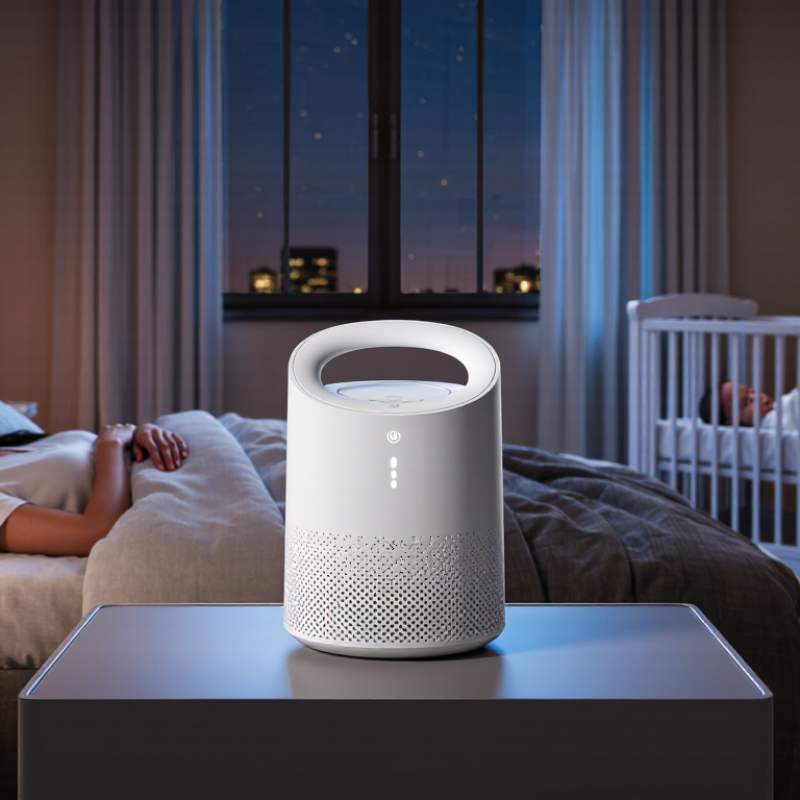
A white noise sound machine is a small device that produces a steady, continuous background sound. True white noise contains many audible frequencies at similar intensity. Many household machines create softer fan sounds, rainfall, or filtered static instead. Their purpose is to reduce the contrast between sudden noises, such as traffic, footsteps, or a closing door.
People often use these machines during sleep, study, travel, or quiet work. The constant sound can make a changing environment feel less distracting. It does not force sleep, and results differ from person to person. I have found that a low, steady setting may feel calming, while a loud setting quickly becomes irritating. That limitation matters. A machine is a comfort tool, not a medical treatment or a guaranteed sleep solution.
Tips: Place the machine several feet away from the bed, rather than beside your head. Keep the volume around a normal conversation level or lower. Use a timer if continuous sound is unnecessary. For infants, keep the device far from the crib and choose the lowest effective volume. Check the sound level with a phone app, although these readings are not always precise. Clean vents regularly, because dust can change the sound and affect airflow.
A white noise sound machine creates a steady sound containing many audible frequencies at similar levels. Some devices generate this sound electronically; others play recorded audio through a small speaker. The result resembles a soft rush of air or a distant fan. It is not complete silence. More like a smooth audio backdrop.
That steady sound can make sudden noises, such as a door closing or traffic passing, less noticeable. It does not remove those sounds; it reduces the contrast between them and the room’s background. Place the machine several feet from the bed, then adjust the volume until the sound is comfortable, not dominant. Lower is usually better. A bedside machine may also offer rain or fan sounds, which are not technically white noise but can provide a similar masking effect. The precise sound varies by device, and personal preference matters more than a perfect setting. I would not assume one sound works for everyone. If the room feels louder rather than calmer, try a lower setting or a different placement.
| Topic | How It Works or Is Used | Practical Considerations |
|---|---|---|
| Sound masking | Plays a steady sound that can make sudden or intermittent noises—such as distant conversation or traffic—less noticeable by reducing the contrast between those sounds and the background. | It does not block sound like soundproofing. Results depend on the room, the unwanted noise, and the machine’s volume and placement. |
| Sleep environment | Provides a consistent background sound that some people find helpful for settling down or staying asleep when occasional noises are distracting. | People respond differently, and research findings on sleep benefits are mixed. It is an aid, not a treatment for sleep disorders. |
| Focus and privacy | Can add background sound in a workspace or shared room, making brief conversations and other small noises less prominent. | It may not improve concentration for everyone. Keep the sound comfortable and low enough to hear important alerts or conversation. |
| White noise | Contains sound energy across the audible frequency range, often perceived as a steady, broadband hiss. | “White noise” describes a type of sound, but consumer machines may use recordings, synthesized noise, fans, or other steady sounds. |
| Other sound options | Some machines offer pink or brown noise, fan sounds, nature recordings, or adjustable tones. These options differ in their frequency balance and sound character. | Labels and sound quality vary by device. Choose the sound that is comfortable rather than assuming one type works best for everyone. |
| Volume and placement | A machine is commonly placed in the room where masking is wanted, with its sound set to a steady, comfortable level. | Keep it away from the ear and avoid unnecessarily loud playback, especially for infants and young children. Follow pediatric guidance when using sound near a baby. |
| Choosing a machine | Useful features may include adjustable volume, a timer, a range of sounds, and simple controls. | Check that the machine can play quietly and consistently. A timer can limit how long it runs, while continuous playback may suit some situations better. |
In brief: A white noise sound machine creates or plays steady background sound. It can help mask some distracting noises, but it does not eliminate them, and its effects vary from person to person.
A white noise sound machine creates a steady background sound, similar to airflow from a fan. Many people use it to mask sudden noises during sleep, such as traffic, hallway footsteps, or a neighbor’s closing door. In practice, a consistent sound can make a bedroom feel less sensitive to interruptions. It does not guarantee deeper sleep. Results vary.
Parents sometimes use white noise during a baby’s nap or bedtime routine. The sound may cover household activity, like running water or quiet conversation. Keep the volume low and place the machine away from the crib. A pediatric professional can offer safer guidance for infants. The machine should never replace a regular sleep routine.
White noise can also support concentration in shared offices, dormitories, and busy homes. It softens distracting conversations without demanding attention, which may help during reading or computer work. Some people use it while traveling to create a familiar sound environment in hotels or unfamiliar rooms. It can also mask private conversations, but it should not be treated as a complete privacy solution. A room’s walls, doors, and distance still matter.
Try different sound textures. Some users prefer a softer fan-like hum, while others find higher frequencies irritating. Start quietly and adjust gradually. Too much volume can cause discomfort, especially over long periods. The simple device may help, but it is not magic. Sometimes silence works better.
A white noise machine produces steady, broadband sound. It can soften sudden disturbances, such as traffic, hallway footsteps, or a partner’s late-night movement. People with irregular schedules may find it useful. Shift workers, students, light sleepers, and city residents are common users. The CDC reports that about one in three U.S. adults regularly sleeps less than seven hours. A consistent background sound may help some people protect their sleep window.
Parents should be careful with infants. A 2014 Pediatrics study tested 14 infant sleep machines and found that every device exceeded 50 decibels at maximum volume. Some reached more than 85 decibels near the crib. Keep the machine far from the baby, use the lowest effective setting, and never place it inside the crib. People with tinnitus may also try sound masking, but it is not a cure. Clinical guidance recommends professional assessment when ringing is sudden, one-sided, or persistent. The evidence remains promising, but not tidy.
Tips: Place the machine across the room, not beside your head. Start quietly. Many users choose a timer, though continuous sound may mask early-morning noise better. Check your sleep diary for two weeks. Did you fall asleep faster, or simply expect improvement? That distinction matters. AASM guidance recommends adults obtain at least seven hours of sleep, but a sound machine cannot replace regular schedules, light control, or medical care.
What Is a White Noise Sound Machine Used For?
A white noise sound machine masks sudden sounds, such as traffic, barking dogs, or hallway conversations. This steady sound may help some people fall asleep faster. However, research is not conclusive. A 2021 review in Sleep Medicine Reviews found that evidence for continuous noise improving sleep remains limited and mixed. Choose a machine with adjustable volume, a timer, and a stable sound profile. Natural options, such as rainfall or soft fan noise, may feel less sharp than pure white noise.
Volume matters more than many buyers expect. A 2014 Pediatrics study tested 14 infant sleep machines. Every device exceeded 50 decibels at maximum volume, and three exceeded 85 decibels. Keep the machine far from the bed, especially a baby’s crib. Start near the lowest comfortable setting. Adults should still protect quiet sleep, not create a louder problem.
Tips: Place the machine across the room, not beside your pillow. Use a timer for 30 to 60 minutes. Check the sound with a phone-based decibel meter, but treat readings as estimates. For infants, ask a pediatric professional before regular use. Listen for comfort, not loudness. I sometimes prefer a quieter setting after several nights, which shows that first impressions can mislead. If sleep worsens, reduce the volume or stop using it.
White noise sound machines create a steady background sound that can help mask sudden noises, support relaxation, and make a sleep environment feel more consistent. The chart compares the relative energy of common sound colors across octave bands, normalized to 125 Hz.
White noise has approximately equal energy per hertz, so its energy increases by about 3 dB in each wider octave band. Pink noise has approximately equal energy per octave, while brown noise has less high-frequency energy. Choose the sound that feels comfortable, keep the volume as low as practical, and place the machine away from the listener.
It creates steady background sound, like airflow from a fan. This may soften traffic, footsteps, or closing doors. It is not guaranteed to improve sleep.
Light sleepers, students, shift workers, and city residents may find it useful. Shared offices and busy homes may also feel calmer. Results differ between people.
Some parents use it during naps or bedtime routines. Keep the volume low and place the machine across the room. Never put it inside the crib. Professional advice is wise.
Start quietly and increase the volume slowly. Use the lowest setting that masks background noise. Loud sound can cause discomfort over time. Softer is safer.
Place it across the room, not beside your head. Keep it away from the crib. A bedside table may be too close.
It may soften conversations in offices, dormitories, or busy homes. A low, steady hum can make reading easier. Silence may work better for some people.
It may mask speech at a distance. However, it is not a complete privacy solution. Walls, doors, and room distance still matter. Do not overtrust it.
Some people try sound masking for ringing ears. It is not a cure. Seek professional assessment for sudden, one-sided, or persistent ringing.
A timer may be enough for falling asleep. Continuous sound can mask early-morning disturbances. Try both options and compare your sleep. Expectations can mislead you.
A White Noise Sound Machine is a device that produces a steady, gentle sound to help mask sudden or distracting noises in the surrounding environment. It works by generating consistent audio across a range of frequencies, creating a stable background that can make changes in sound less noticeable. Depending on the model, it may offer adjustable volume, timers, or different sound options.
White noise machines are commonly used to support sleep, relaxation, concentration, meditation, and privacy in shared spaces. They may benefit light sleepers, people working in noisy environments, travelers, students, or anyone who finds unpredictable sounds distracting. When choosing one, consider sound quality, volume control, timer settings, portability, and ease of use. Place the machine at a comfortable distance, keep the volume moderate, and use it consistently according to personal preferences.