
0%

Selecting the right Waterproof Running Headphones requires more than checking an IP rating. Wholesale buyers need products that survive sweat, rain, repeated charging, and demanding daily use. A runner may leave the warehouse before sunrise, cross wet pavement, and train for an hour under heavy rain. The headphones must keep working.

Jude Mansilla, founder of Head-Fi and a respected audio product expert, has said, “Comfort and fit matter as much as sound quality.” That principle remains highly relevant for wholesale purchasing. Secure ear hooks, soft contact points, stable Bluetooth performance, and clear voice calls can influence repeat sales. Customers notice small details. Loose earbuds. Harsh buttons. Weak microphones. These problems become expensive returns.

This guide examines Waterproof Running Headphones from a buyer’s perspective. It considers water resistance, battery performance, sound clarity, wearing comfort, packaging, warranty support, and supplier consistency. Independent testing is still important. Marketing language can sound impressive, but real performance may differ. A product labeled “waterproof” may only resist limited exposure, not every swimming environment. That distinction deserves attention.

Wholesale buyers should also compare sample units before placing large orders. Test them during running, charging, and outdoor calls. Check whether controls remain usable with damp fingers. Review certifications and product documentation carefully. No model is perfect. Even strong headphones may compromise bass, size, or battery capacity. The goal is not finding a flawless product. It is finding a dependable model that matches customer expectations, retail pricing, and long-term business value.
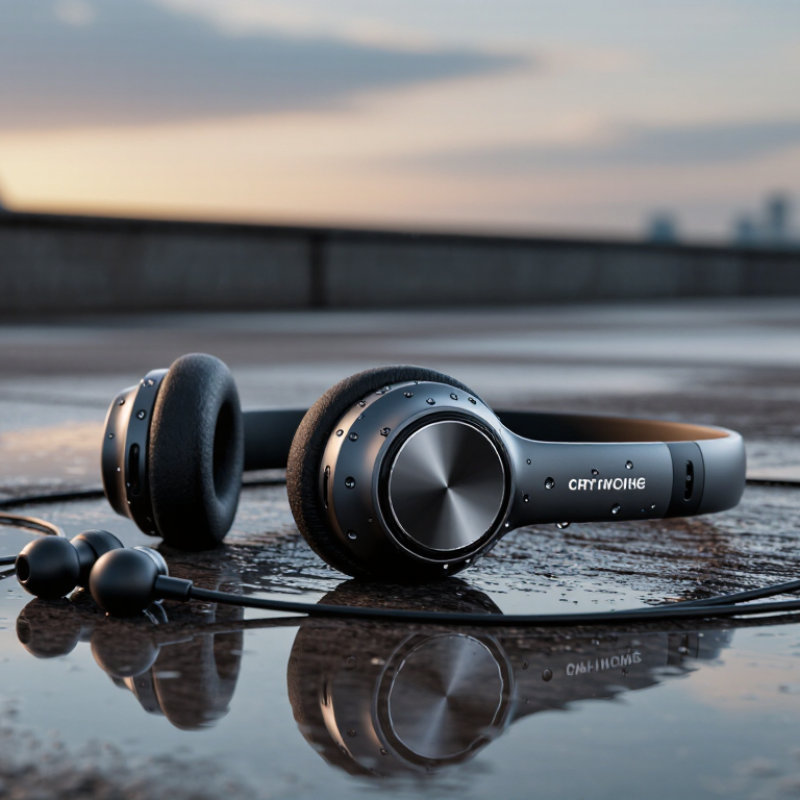
Top Waterproof Running Headphones for Wholesale Buyers

What Makes Running Headphones Waterproof

Top Waterproof Running Headphones for Wholesale Buyers

What Makes Running Headphones Waterproof

Running headphones need more than a water-resistant label. Their protection usually comes from sealed housings, coated circuit boards, and covered charging ports. Flexible gaskets help block sweat and rain around buttons, microphones, and speaker openings. These small details often decide whether a product survives daily training.

Check the IP rating carefully. IPX4 handles splashing from different directions, while IPX5 offers protection against water jets. IPX7 may support temporary immersion, but testing conditions still matter. A higher rating does not guarantee better sound or long-term reliability. Ask suppliers for test reports, production dates, and quality-control records.

In product evaluations, I also inspect the charging cover after repeated opening. It can loosen faster than expected. That is easy to miss. Salt from dried sweat may damage exposed metal contacts, even when the housing remains sealed. Wholesale buyers should request sweat-resistance evidence, sample units, and batch consistency data. Fit matters too, because loose earbuds can expose gaps during movement. Waterproofing should support clear calls, stable Bluetooth performance, and comfortable use, not merely survive a laboratory test. Also, confirm whether the warranty excludes liquid damage, since that policy can affect returns and customer trust.

Key Features Wholesale Buyers Should Evaluate

Top Waterproof Running Headphones for Wholesale Buyers

Wholesale buyers should test waterproof running headphones beyond a polished product page. Check the stated IP rating and request laboratory documentation. An IP rating shows resistance under defined conditions. It does not prove long-term protection against sweat, rain, or repeated rinsing. Inspect charging-port covers, speaker mesh, seams, and button gaps. Small openings often become weak points. Ask suppliers how products perform after repeated wet-use cycles. Request samples from different production batches, not only one selected unit.

Fit directly affects return rates and customer reviews. Test the ear hooks during sprints, sharp turns, and longer training sessions. The headphones should stay secure without creating pressure around the ears. Evaluate battery performance at realistic volume levels. A claimed battery time may change with calls, cold weather, or maximum volume. Physical controls can be more reliable than touch controls when fingers are wet. Test microphone clarity near traffic noise and strong wind. Keep the test practical.

Wholesale buyers should also examine packaging, manuals, warranty terms, and replacement procedures. Product information should match the actual specification. Inconsistent wording can create avoidable disputes. Check charging cables, storage cases, and included ear tips for quality. A strong sample can still hide factory variation. That is easy to miss. Ask for batch inspection records and clear defect definitions.

I would not approve a large order from one successful sample alone. A small trial order may reveal loose seals, uneven battery life, or uncomfortable sizing. Even careful evaluations need revision after customer feedback.

Comparing Headphone Designs for Different Running Conditions

Running conditions demand different headphone designs, not one universal “waterproof” model. The WHO’s 2022 Global Status Report on Physical Activity estimates that 31% of adults remain insufficiently active, increasing interest in practical workout gear. For wholesale buyers, that demand covers treadmill users, road runners, and trail athletes.

For light rain, sealed in-ear housings with an IPX4 rating can resist splashes from several directions. Heavy rain needs stronger protection, such as IPX6, which is tested against powerful water jets under IEC 60529. Sweat creates another problem. Salt can corrode charging contacts, so buyers should inspect coated terminals and removable ear tips. Fit matters more. Ear wings help during fast intervals, while open-ear designs improve awareness near traffic. They usually deliver less bass in windy conditions.

Hot treadmill sessions favor breathable, lightweight designs with stable Bluetooth connections. Cold-weather runners need physical buttons, because wet gloves make touch controls unreliable. Bone-conduction designs avoid blocking the ear canal, but their sound leakage may annoy nearby gym users. A hard lesson: an IP rating does not guarantee protection after drops, aging, or poor cleaning. Wholesale testing should include repeated sweat exposure, rain simulation, charging cycles, and fit checks across several ear shapes. One sample is not enough. The design may still fail.

Wholesale Pricing, Minimum Orders, and Supplier Standards

For wholesale buyers, waterproof running headphones should be evaluated beyond the quoted unit price. A supplier may offer $8 per unit at 1,000 pieces, while another charges $10 at only 300 pieces. The lower price is not always cheaper after freight, packaging, testing, and defect replacement. Request tiered pricing for 300, 1,000, and 5,000 units. Ask whether prices include customized colors, logos, cables, and retail boxes.

Minimum order quantities affect cash flow and inventory risk. A smaller first order can help test customer demand. It also reveals real-world issues, such as loose charging covers or unstable Bluetooth connections. Request production samples before signing a large purchase agreement. Keep one sample from the approved batch for comparison. This simple step is often missed.

Supplier standards deserve close attention. Confirm the stated water-resistance rating and request recent test records from an independent laboratory. IPX7 performance, for example, does not automatically prove strong protection against sweat, dust, or repeated pool use. Ask about battery-cycle testing, microphone checks, charging safety, and quality-control sampling. A written defect policy should explain replacement timing and acceptable failure rates. Factory photos are useful, but they are not enough evidence. A video can also hide weak procedures. Review certifications carefully, verify company registration, and clarify lead times in writing. Mistakes still happen. The reliable supplier is the one that documents them and responds clearly.

How to Select the Right Waterproof Headphone Range

Top Waterproof Running Headphones for Wholesale Buyers

How to Select the Right Waterproof Headphone Range

Wholesale buyers need a range built around real running conditions. Start with use cases, not attractive specifications. For poolside training, look for strong water resistance and secure movement. For open-water activities, confirm whether the product supports immersion. Do not treat every “waterproof” label equally. Verify certification reports and test conditions before placing a large order.

Sound quality matters, but fit often decides repeat purchases. Runners need stable ear hooks, flexible wings, and several ear-tip sizes. Offer several sizes. Battery claims should match independent playback tests. Physical buttons can be easier during rain or sweaty workouts. Touch controls may respond poorly with wet fingers. Packaging should show water ratings, charging instructions, and care limits clearly.

A sensible range can include entry, mid-level, and premium specifications. We once focused too heavily on battery capacity. That choice looked impressive, but some units felt bulky during longer runs. Demand varies. Ask suppliers for sample units and inspect them personally. Record fit, connection stability, charging time, and microphone performance. Keep replacement parts and warranty procedures visible to retailers. Reliable after-sales support protects wholesale relationships. Do not promise unlimited underwater use. Document the limits.

Top Waterproof Running Headphones for Wholesale Buyers - How to Select the Right Waterproof Headphone Range

Product Range Recommended Use Waterproof Rating Protection Standard Typical Playback Time Charging Case / Port Fit and Stability Wireless Features Target Wholesale Positioning
Range A
Daily Fitness Earbuds
Light running, gym workouts and everyday commuting IPX4 IEC 60529 water-resistance classification Approximately 5–7 hours per charge; 20–28 hours with charging case USB-C case; wired or basic wireless charging options Compact in-ear design with three ear-tip sizes; suitable for moderate movement Bluetooth 5.2 or later; touch controls; built-in microphone Entry-level volume programs and promotional bundles
Range B
Active Running Earbuds
Outdoor running, cycling and regular fitness training IPX5 IEC 60529 water-resistance classification Approximately 7–9 hours per charge; 28–36 hours with charging case USB-C case with battery indicator Secure ear-hook or wing-tip options; designed to reduce movement during exercise Bluetooth 5.3; low-latency mode; dual-microphone calling Core mid-range selection for sports and lifestyle retailers
Range C
Heavy-Sweat Sport Earbuds
High-intensity training, long-distance running and humid climates IPX6 IEC 60529 water-resistance classification Approximately 8–10 hours per charge; 32–40 hours with charging case Sealed USB-C charging case; charging-port protection required Ergonomic ear hooks, anti-slip surfaces and multiple fit accessories Bluetooth 5.3; environmental noise reduction for calls; app-free controls Premium sports range for specialist fitness channels
Range D
Open-Ear Running Headphones
Road running, urban training and users who need environmental awareness IPX5 IEC 60529 water-resistance classification Approximately 8–12 hours per charge Magnetic or USB-C charging system; no exposed charging contacts during use Ear-hook or air-conduction structure; leaves the ear canal open Bluetooth 5.2 or later; physical controls; microphone for calls Distinctive product line for outdoor and safety-conscious consumers
Range E
Swim-Compatible Headphones
Swimming, pool training and water-based sports IPX8* IEC 60529 rating; depth and duration must be specified by the supplier Approximately 8–16 hours of stored audio playback Dedicated charging cradle; sealed construction Water-secure ear tips or bone-conduction frame; goggles-compatible fit options Local MP3 storage is typically used because Bluetooth signals do not reliably travel through water Specialist premium range requiring clear technical documentation
Range F
Long-Battery Training Headphones
Marathons, endurance training and extended outdoor sessions IPX5–IPX6 IEC 60529 water-resistance classification Approximately 12–16 hours per charge, depending on design and volume level USB-C fast charging; short-charge feature recommended Lightweight neckband or stable open-ear frame to reduce charging interruptions Bluetooth 5.3; physical buttons; battery-level voice prompts High-value range for endurance-sport and travel-focused distribution

*IP ratings describe protection against water under specified laboratory conditions. They do not automatically confirm protection against salt water, chlorinated water, pressure jets or prolonged submersion. Buyers should request current test reports, defined immersion conditions, battery certifications, packaging specifications and sample approval before placing a wholesale order.

FAQS

How should wholesale buyers compare supplier prices?

Request quotes for 300, 1,000, and 5,000 units. Include freight, packaging, testing, custom colors, logos, and retail boxes. An $8 unit may cost more overall.

Why does the minimum order quantity matter?

A smaller first order reduces cash-flow pressure and inventory risk. It also exposes problems, such as loose charging covers or unstable connections. Start with samples.

What should buyers inspect before approving a large order?

Request production samples before signing a major agreement. Test fit, connection stability, charging time, buttons, and microphone performance. Keep one approved sample for comparison.

How can buyers verify water resistance?

Ask for the stated rating and recent independent laboratory records. Check the test conditions carefully. An IPX7 rating does not prove protection against sweat, dust, or repeated pool use.

What quality checks should suppliers document?

Request battery-cycle tests, microphone checks, charging-safety records, and sampling procedures. A written defect policy should state replacement timing and acceptable failure rates. Photos alone are weak evidence.

What fit features matter for running headphones?

Look for secure ear hooks, flexible wings, and several ear-tip sizes. A stable fit often drives repeat purchases more than impressive specifications. Offer different sizes.

Are physical buttons better than touch controls?

Physical buttons may work better during rain or sweaty workouts. Wet fingers can trigger touch controls poorly. Test both designs personally.

How should a wholesale product range be structured?

A practical range can include entry, mid-level, and premium specifications. Match each model to poolside training, outdoor running, or open-water use. Do not promise unlimited underwater use.

What support should suppliers provide after delivery?

Clarify replacement parts, warranty procedures, lead times, and communication responsibilities in writing. Verify company registration and review certifications carefully. Mistakes happen. Clear responses matter.

Which product specification can mislead buyers?

Battery capacity can look impressive while adding uncomfortable weight. We once focused too heavily on capacity. Longer runs exposed that weakness.

Conclusion

This guide to Waterproof Running Headphones helps wholesale buyers understand the features that matter when building a reliable product range. It explains how water resistance is measured, why protection against sweat and rain is important, and which design details—such as secure fit, comfortable materials, battery life, sound quality, control access, and charging protection—should be evaluated before placing an order. It also compares compact in-ear, open-fit, and other designs for training in light rain, humid environments, or more demanding outdoor conditions.

The article further outlines practical wholesale considerations, including pricing tiers, minimum order quantities, product consistency, packaging, quality inspections, warranty support, and supplier communication. By balancing performance, durability, user comfort, and target-market demand, buyers can select the right Waterproof Running Headphones collection for different customer groups while maintaining competitive costs and dependable supply standards.

Evelyn

Evelyn

Evelyn is a marketing professional with a deep understanding of the company’s products, their practical applications, and the needs of the customers they serve. She combines product knowledge with a clear, reader-focused approach, helping audiences make sense of features, compare options, and......