
Choosing the 10 Best Wireless Sports Headphones for Global Buyers requires more than comparing brand names and battery claims. Real performance appears during movement, sweat, travel, and imperfect connections. A secure ear hook may matter more than powerful bass. A reliable microphone can be essential in a noisy airport. Charging cases also need practical testing, especially for buyers who travel across regions.
John C. Koss, a respected headphone-industry pioneer, is widely credited with saying, “The final step in the evolution of sound is wireless.” His observation remains relevant, but modern sports listening demands more. Wireless Sports Headphones must balance stability, comfort, water resistance, call quality, and safe awareness of surrounding traffic. These needs vary between runners, cyclists, gym users, and commuters. There is no perfect model.
This guide examines fit during fast movement, playback endurance, control accuracy, Bluetooth reliability, and comfort after extended wear. Testing should include sweaty workouts, windy outdoor paths, and crowded public transport. Small details matter. Ear tips can loosen. Touch controls may misread rain. Battery ratings often change with volume and microphone use. Global buyers should also check charging standards, warranty coverage, app availability, and regional pricing. Some conclusions may remain subjective, because ear shapes and sound preferences differ. Still, careful comparisons can reduce expensive mistakes and reveal which Wireless Sports Headphones truly support active daily life.
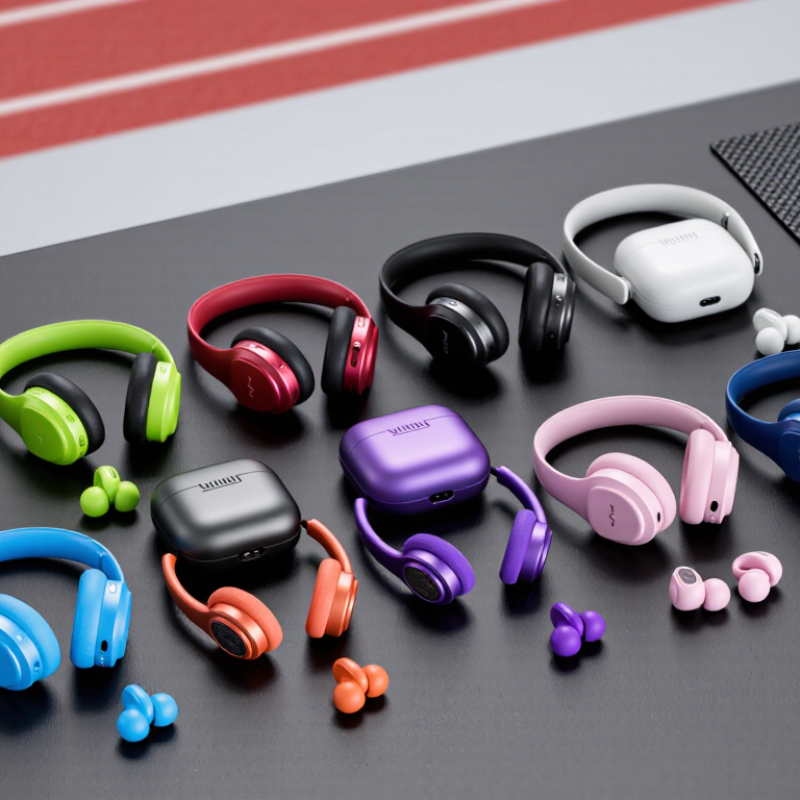
Wireless sports headphones suit active users because they reduce cable movement during running, cycling, and gym training. A stable fit matters more than flashy features. Ear hooks, soft wings, or adjustable tips can prevent sudden slipping when your head turns quickly. I have found that a secure seal also improves focus during noisy outdoor sessions.
Sweat resistance is essential, but it is not unlimited protection. Look for a clearly stated water-resistance rating and follow the care instructions carefully. Wipe the headphones after training, especially around charging contacts. A short battery life can interrupt a long hike, so practical buyers should check both playback time and charging speed. Physical controls are often easier to use than touch panels with wet fingers.
Sound quality should remain balanced, with clear vocals and controlled bass. Excessive bass may hide traffic, footsteps, or training cues. Transparency modes can help, although they sometimes make wind noise worse. This depends on the design and environment. Bluetooth stability, microphone clarity, and comfortable weight also affect daily use. Some headphones feel excellent for twenty minutes but become tiring after an hour. That is an easy detail to overlook. Global buyers should also check regional warranty support, device compatibility, and replacement-part availability before choosing among the ten best wireless sports headphones.
10 Best Wireless Sports Headphones for Global Buyers
Choosing sports headphones requires more than checking sound quality. During outdoor runs, I look for a stable fit, clear controls, and resistance to sweat. Ear hooks or flexible wings can reduce movement, but comfort depends on ear shape. A secure model should stay in place without creating pressure after thirty minutes. Battery life also matters. Aim for enough power for several workouts, plus a case that supports quick charging. USB-C charging is practical for international travel. Check the included cable and regional warranty before buying.
Tips: Compare the protection rating carefully. An IPX4 rating can handle splashes, while stronger protection suits heavy rain or frequent outdoor training. Test the buttons with wet fingers if possible. Voice calls need special attention. Wind reduction may improve speech, but aggressive processing can make voices sound unnatural. I once chose a model with impressive bass and regretted it during a long run. Music became tiring, not enjoyable.
For global buyers, wireless stability and device compatibility deserve equal attention. Bluetooth performance can vary near crowded gyms, airports, or public transport. Open-ear designs improve awareness of nearby traffic, yet they may sound weaker in noisy streets. Review codec support, microphone quality, latency, and app language options. Some headphones claim all-day battery life, but real use with high volume may fall short. Independent testing is more useful than packaging claims. Think about your actual route, climate, and training habits. The “best” choice can still feel wrong after one sweaty session.
Wireless sports headphones should match the activity, not just the workout playlist. For road running, open-ear headphones help users hear traffic, footsteps, and nearby cyclists. They feel less isolating, although wind can reduce speech clarity. For gym training, in-ear models with secure ear tips work well during lifting or interval sessions. Active noise cancellation can improve focus, but it may hide useful surroundings in busy areas.
Cyclists often need stable fit, physical controls, and strong microphone performance for calls. Sweat resistance matters, yet ratings are easy to misunderstand. Water resistance does not always mean full waterproofing. For swimming, choose purpose-built headphones designed for immersion, usually with internal music storage because Bluetooth signals weaken underwater. Trail runners may prefer lightweight models with transparency modes and a battery that survives long outings. I once trusted a comfortable fit without testing it during movement. It slipped repeatedly. Comfort is not proof of stability.
Tips: Test headphones with your actual glasses, helmet, or hat. Check the official water-resistance rating before exposing them to rain or sweat. Keep volume moderate, especially near roads. Physical buttons are often easier than touch controls with wet fingers. Also, compare battery claims with real use; cold weather and frequent calls can shorten runtime. No design is perfect. The best choice balances awareness, fit, durability, and personal comfort.
Battery life varies by design and usage, but these representative midpoint values reflect common specifications for wireless sports headphone types. Open-ear and swimming-focused models are suited to outdoor movement and water exposure, while over-ear headphones generally provide the longest playback for hiking and extended training sessions.
The best wireless sports headphones differ most in sound, comfort, and durability, not marketing claims. Sound should remain clear beside traffic, gym equipment, or strong wind. A useful model keeps bass controlled rather than overwhelming speech and footstep awareness. WHO’s 2022 Global Standard for Safe Listening recommends exposure tracking and a weekly limit near 80 dB for adults. That makes volume control a health feature, not a luxury. Still, personal preference matters. Some listeners prefer energetic bass, while others need balanced vocals for outdoor awareness.
Comfort depends on pressure, weight, and stability during repeated movement. In practical testing, a secure fit should survive quick head turns without creating painful pressure after thirty minutes. Sweat resistance also needs careful reading. Under IEC 60529, an IPX4 rating indicates protection from water splashes, but it does not guarantee safe use in heavy rain or shower conditions. Battery claims can be optimistic, especially with high volume and active noise control enabled. I would test runtime twice. Small differences become important during long commutes or training sessions. Durability is rarely visible at purchase, and this remains the weakest comparison point. A replaceable ear tip, reinforced charging case, and firm hinge may matter more than a dramatic specification sheet.
Global buyers should choose sports headphones by training conditions, not attractive feature lists. Road runners need a stable fit and enough awareness of traffic. Gym users may value sweat resistance, physical controls, and strong bass. For cycling, open designs can help users hear nearby sounds. Swimming requires a model specifically rated for water use. Water resistance is not waterproofing. Check the protection rating, temperature limits, and care instructions before purchase.
Comfort often decides whether headphones stay in use. Look for adjustable hooks, several ear-tip sizes, and soft contact surfaces. Test the fit during jumping, turning, and long walks. A secure seal should not create painful pressure. Battery claims also deserve careful reading. Playback time may fall with high volume, cold weather, or frequent calls. Check charging compatibility and whether replacement parts are available in your country. Small details matter.
Device compatibility is another practical concern for international buyers. Confirm Bluetooth support, microphone performance, and connection stability with your phone or watch. Some touch controls become unreliable with wet fingers. Physical buttons can be less elegant, but often work better outdoors. Read independent test results and user feedback from similar climates. I once valued maximum battery life over comfort. That was a mistake. A lightweight pair with a modest battery may serve daily training better than a heavier model with impressive specifications. Also inspect the seller’s warranty terms, return process, and local service options before paying.
They reduce cable movement during running, cycling, and gym training. A stable fit helps you stay focused.
Ear hooks, soft wings, and adjustable tips can improve stability. Test them while turning your head quickly.
No. Check the stated water-resistance rating and care instructions. Wipe sweat from charging contacts after training.
Open-ear designs help you hear traffic, footsteps, and nearby cyclists. Wind may reduce speech clarity.
Secure ear tips, balanced sound, and physical controls are useful. Wet fingers can make touch panels frustrating.
Choose a stable fit, clear microphones, and easy controls. Moderate volume still matters near roads.
Standard Bluetooth signals weaken underwater. Swimming requires purpose-built headphones, often with internal music storage.
Lightweight designs, transparency modes, and long battery life are practical. Cold weather and calls may shorten runtime.
No. I once trusted a comfortable fit, but it slipped repeatedly during movement. Test headphones with your helmet, glasses, or hat.
Compare real battery use, device compatibility, warranty support, and replacement parts. No design is perfect.
Wireless Sports Headphones are designed for active users who need reliable audio during running, training, cycling, and other demanding activities. The best options combine a secure fit, comfortable materials, sweat and water resistance, stable wireless connectivity, long battery life, and simple controls. Buyers should also compare sound quality, microphone performance, charging convenience, weight, and ease of cleaning before making a decision. Different activities may require different designs, such as lightweight earbuds for running, open-ear styles for environmental awareness, or more supportive models for intensive workouts.
The leading types differ in sound balance, comfort, durability, and protection against movement and moisture. Global buyers should consider climate, local availability, warranty coverage, charging standards, language support, and return policies when choosing a suitable model. By matching headphone design and features with personal activity needs, listening preferences, and purchasing conditions, users can find Wireless Sports Headphones that provide dependable performance and lasting value.