
0%

Sleep needs are widespread, but solutions are personal. The CDC reports that about one in three U.S. adults does not get enough sleep regularly. The American Academy of Sleep Medicine’s 2024 Sleep Prioritization Survey found that 55% of adults say they sleep better when they prioritize sleep. These findings help explain why buyers seek practical bedroom tools, though neither report proves that a sound device improves sleep for everyone.

A Sleep Sound Machine can produce fan noise, digitally generated white noise, nature sounds, or a mix of audio and light. Each type suits a different room and routine. A fan-based model offers steady airflow and sound; a digital machine may provide more choices without running a fan. App-connected units add controls, but depend on a phone and reliable connectivity. Portable models suit travel. Hybrid machines combine sound with an alarm or light.

Quiet matters. Small details count. For global buyers, compare volume range, timer options, power input, plug compatibility, and whether the sound loops noticeably. Read product specifications carefully; advertised sound libraries do not always reveal how smoothly tracks play. Evidence on sound as a sleep aid varies, so treat claims cautiously and consider personal comfort. A soft rain track may feel calming to one person and distracting to another. That is not a flaw in the buyer. It is a reminder that choosing by feature count alone can miss the point. This guide compares the main machine types and the practical trade-offs behind them, helping buyers match a device to their space, habits, and budget.
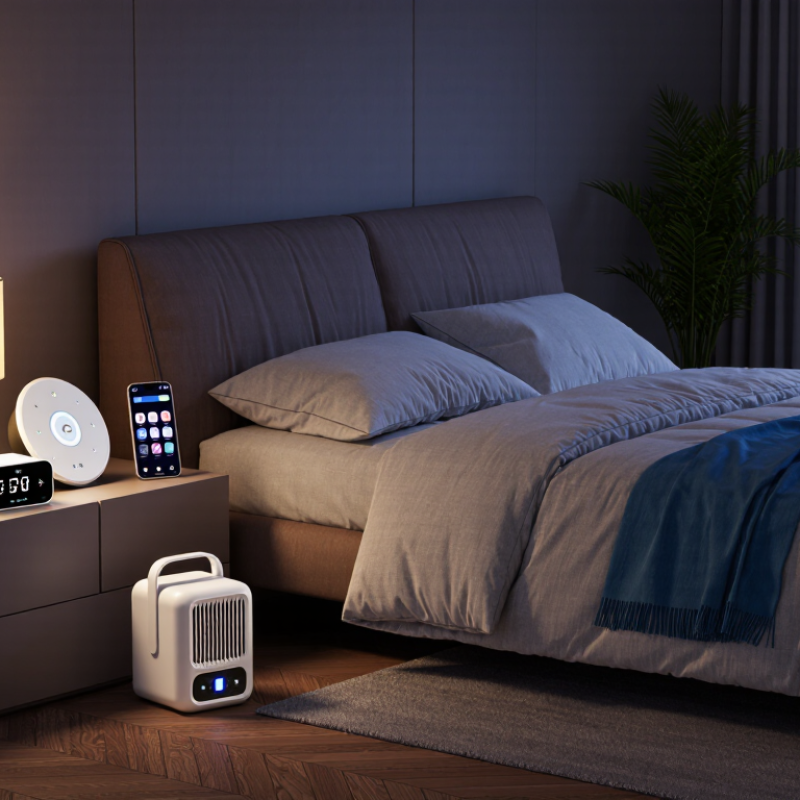
2026 Top Sleep Sound Machine Types for Global Buyers

What a Sleep Sound Machine Is and How It Works

A sleep sound machine is a small device that produces steady, controlled audio to support a calmer sleeping environment. It may play white noise, pink noise, brown noise, rainfall, ocean waves, or a gentle fan sound. Unlike music, these sounds usually avoid dramatic changes that can interrupt rest.

The machine works mainly through sound masking. It softens sudden noises, such as traffic, hallway movement, or a closing door, by creating a consistent background layer. Many models use a speaker, digital audio files, and a timer. Some include adjustable volume, night lights, or rechargeable batteries. Lower frequencies may feel deeper, while brighter noise can seem sharper. Personal comfort matters more than technical labels.

Not a cure.

Tips: Start with a low volume, similar to a quiet conversation. Place the device several feet from the pillow, and keep openings clear for ventilation. Test the timer before sleeping, because complete silence may wake some users. For babies, use extra caution and follow current pediatric safety guidance. Sound machines can help, but they cannot fix every sleep problem. I once assumed louder sound worked better; it often felt tiring instead. A quieter setting may be more practical for long-term use. Temperature, room lighting, and stress can still influence sleep, so the machine is only one part of the environment.

Main Types of Sleep Sound Machines Available in 2026

Main Types of Sleep Sound Machines Available in 2026

White noise machines remain a practical choice for light sleepers and shared bedrooms. They produce steady static across a broad frequency range. This can soften traffic, hallway voices, or sudden household sounds. Pink noise and brown noise offer deeper tones, which some users find less sharp at night. Personal comfort matters more than technical labels.

Nature-sound machines create rain, ocean waves, forest ambience, or gentle streams. These recordings may feel more relaxing than constant noise. However, repetitive loops can become noticeable. Some models also provide fan sounds, soft lullabies, or mechanical hums. Portable versions suit travelers, while app-connected models allow timers, volume schedules, and customized sound mixes. Smart features are useful, but they can add setup problems and dependence on a phone.

Choose a sound machine with clear audio, stable playback, and simple controls. Keep the volume low enough for comfortable conversation nearby. Place it away from the pillow, especially for children. A timer may reduce unnecessary overnight exposure, although individual sleep patterns differ. No category works for everyone. Even expert buying guides can oversimplify this choice. Buyers should test one sound for several nights, note sleep quality, and adjust without expecting instant results.

2026 Top Sleep Sound Machine Types for Global Buyers

Main sound profiles available in sleep sound machines

How to read this chart: Values show idealized relative sound energy by octave band, with the lowest band set to 100. White noise has equal power per unit of frequency, pink noise has roughly equal power per octave, and brown noise emphasizes lower frequencies. Actual machine sounds vary by speaker, recording, and settings. Other common options include fan sounds, nature recordings, and gentle music.

Sound Options, Controls, and Features Across Machine Types

For global buyers in 2026, sleep sound machines differ mainly in sound design, control methods, and daily usability. Mechanical fan models create steady airflow noise, while digital units offer white, pink, or brown noise. Nature tracks may include rainfall, ocean waves, or soft forest sounds. Some users prefer deeper brown noise, but personal comfort still matters more than technical labels.

During product evaluation, I check whether the sound loops smoothly. A sudden repeat can disturb light sleepers. Physical dials are quick to adjust at night. Touch panels look clean but may be difficult in darkness. Remote controls help from across the room. App controls add scheduling, custom mixes, and firmware updates, although connection problems remain possible. Keep it simple.

Useful features include an auto-off timer, last-setting memory, adjustable brightness, and a low-volume night mode. A child-lock function can prevent accidental changes. Battery operation supports travel, but buyers should inspect charging time and battery replacement options. For international use, confirm voltage compatibility, plug type, and applicable electrical safety certification. Portable models should also have stable rubber feet; a vibrating unit can become surprisingly noisy on a wooden table.

I would not assume more sounds mean better sleep. In my testing experience, a clean loop with steady volume often feels more comfortable than a crowded library. Some machines claim adaptive masking, yet the response may seem slow in a busy room. Buyers should compare speaker quality, control response, and real bedroom performance rather than relying only on feature lists.

2026 Top Sleep Sound Machine Types for Global Buyers — Sound Options, Controls, and Features Across Machine Types

Machine Type Typical Sound Options Common Controls Typical Features Useful Buying Considerations
Mechanical fan-based machine Airflow noise, often with a continuously generated broadband sound; some units offer adjustable airflow or tone. Physical switch, rotary volume control, and sometimes a fan-speed selector. Simple operation and a sound created mechanically rather than played from a recording. Check fan noise character, cleaning access, power requirements, and whether the sound level can be adjusted. Moving parts may require more care than solid-state models.
Digital sound machine Common choices include white, pink, or brown noise, rain, ocean, wind, and other nature or ambient recordings. Available sounds vary by model. Buttons or dials for sound selection and volume; some models add a timer or memory setting. Compact speakers, multiple sound selections, and often a choice of continuous playback or timed shutoff. Listen for audible looping or abrupt transitions where possible. Check speaker output, timer options, and whether the device resumes the last-used setting.
Sound machine with night-light Usually offers digital noise or nature sounds; sound libraries depend on the model. Separate controls for sound, volume, light brightness, and sometimes light color or timer. Combines sleep audio with a bedside light, dimmable illumination, or a gradual light feature on some models. Confirm that the light can be switched off independently and that brightness settings suit the intended room. Light features and sound controls may work differently across models.
Portable or battery-powered machine Often includes a selection of digital noise, nature sounds, or ambient recordings. On-device buttons; some rechargeable models also provide charging-status indicators. Small form factor, battery operation, and convenient use when an outlet is not nearby. Compare battery type, charging method, expected runtime, and whether playback works while charging. For international use, check the supplied adapter and supported input voltage.
App-connected or smart sound machine May offer built-in sounds plus app-controlled sound selections; some models support additional content or integrations. On-device controls and, depending on the model, app, wireless, voice, or scheduling controls. May include saved routines, remote adjustment, alarms, or integration with other connected devices. Check whether core playback works without an internet connection or app, which wireless standards are supported, and what app permissions or account setup are required.
Sound machine with alarm or wake-up functions Sleep sounds may be paired with alarm tones, nature sounds, or gradual wake-up audio. Controls for sound, alarm time, volume, and sometimes a sleep timer or repeat schedule. Combines bedtime audio and wake-up functions in a single bedside device. Review alarm-setting steps, backup-power behavior, display brightness, and whether the alarm can be configured separately from sleep playback.

Note: Features and sound libraries vary by model. For international purchasing, verify local electrical and radio requirements, plug type, supported voltage and frequency, warranty coverage, and any app or connectivity requirements before ordering.

Regional Preferences and Buying Considerations for Global Buyers

2026 Top Sleep Sound Machine Types for Global Buyers

Regional preferences increasingly shape sleep sound machine purchases. The CDC reported that 35% of U.S. adults lacked sufficient sleep in 2020. This supports demand for practical bedtime tools, but sound cannot replace medical care. North American buyers often value simple controls, adjustable volume, and portable designs. European buyers may prioritize low energy use, repairability, and verified acoustic performance. Regional assumptions can still be wrong.

WHO’s Environmental Noise Guidelines recommend bedroom noise below 30 dB(A) for good sleep. Buyers should therefore check measured output, not only marketing labels. In dense Asian cities, steady broadband noise may suit users better than dramatic nature recordings. In quieter regions, gentle rain or airflow sounds may feel less intrusive. A timer matters everywhere. Not everyone wants continuous playback.

Voltage compatibility, plug standards, language-free controls, and data privacy deserve equal attention. The International Energy Agency reports that standby power remains a global efficiency concern, so automatic shutoff has practical value. Grand View Research’s 2024 sleep aids market analysis also identifies consumer interest in technology-assisted sleep products, although category forecasts can overstate real household adoption. I would test a machine at bedside distance before buying. A pleasant sound at one meter may become irritating overnight.

How to Choose a Sleep Sound Machine for Different Needs

2026 Top Sleep Sound Machine Types for Global Buyers

How to Choose a Sleep Sound Machine for Different Needs

Choosing a sleep sound machine starts with the listener, not the feature list. White noise can mask traffic, voices, and sudden hallway sounds. Pink noise often feels softer and less sharp. Brown noise offers deeper tones for users who dislike high frequencies. Natural sounds may suit light sleepers, but changing birds or waves can become distracting.

For infants and children, choose simple controls, a reliable timer, and a low maximum volume. Keep the machine away from the bed and never place it inside a crib. Adults sharing a room may prefer separate volume control or a compact bedside unit. Travelers should check USB power, plug compatibility, battery life, and weight. In humid regions, smooth surfaces and easy cleaning matter more than decorative design.

Look for clearly stated volume limits and safety testing information. A sound machine should support sleep, not demand attention through bright lights or complicated apps. My practical rule is to test the lowest comfortable volume for several nights. It is not perfect. Personal comfort changes with room size, hearing sensitivity, and local noise. A timer can prevent unnecessary overnight operation, although some users sleep better with continuous sound. For global buyers, translated instructions and responsive customer support are useful signs of a dependable product.

FAQS

What does a sleep sound machine do?

It plays steady sounds that can soften traffic, hallway voices, or a closing door. It may make sudden noises less noticeable. Not a cure.

Which sounds can these machines play?

Common options include white, pink, and brown noise, plus rain, ocean waves, gentle airflow, and forest sounds. Personal comfort matters more than the sound’s label.

How loud should I set the machine?

Start low, around the level of a quiet conversation. A louder setting may feel tiring over time. I once assumed louder was better; it wasn’t.

Where should I place a sleep sound machine?

Place it several feet from your pillow, with its openings clear for ventilation. For children, keep it away from the sleeping area and follow current pediatric safety guidance.

Should I use a timer?

A timer can stop playback after you fall asleep and reduce unnecessary overnight sound. Test it before bed; sudden silence may wake some people.

Are nature sounds better than steady noise?

Not for everyone. Rain or ocean recordings may feel relaxing, but repeated loops can become noticeable. Try one sound for several nights and note how you sleep.

What should I check before buying one?

Look for clear, stable playback, simple controls, adjustable volume, and a suitable timer. Check plug and voltage compatibility, energy use, and privacy features if it connects to an app.

Can a sound machine solve sleep problems?

It may improve the sound environment, but it cannot fix every sleep problem. Room temperature, lighting, and stress matter too. Expectations need a reality check.

Conclusion

A Sleep Sound Machine creates a calmer sleep environment by playing steady sounds that can soften distracting noise and support a relaxing bedtime routine. In 2026, buyers can choose among dedicated sound machines, portable models, devices with built-in lighting or timers, and multifunctional options that combine sound with other sleep-friendly features. Available sounds may include nature-inspired audio, ambient tones, and consistent noise, while controls range from simple buttons to adjustable volume, sound selection, and automatic shutoff.

The right choice depends on personal needs and where the machine will be used. Global buyers may wish to consider room size, portability, power compatibility, preferred sound options, ease of operation, and local availability. A simple model may suit someone seeking straightforward background sound, while travelers may prioritize a compact design and flexible power options. Comparing these factors can help individuals and families find a practical machine that fits their routines, comfort preferences, and budget.

Evelyn

Evelyn

Evelyn is a marketing professional with a deep understanding of the company’s products, their practical applications, and the needs of the customers they serve. She combines product knowledge with a clear, reader-focused approach, helping audiences make sense of features, compare options, and......